• +91 8828241261
  • sales@ecoprocesssolutions.com
Eco Process Solutions
  • About
  • Solutions
    • By Industry
      • Pharmaceutical
      • Chemical
      • Agrochemical
      • Paints & Coatings Industry
      • Oil & Gas Industry
      • Water & Wastewater
      • Zero Liquid Discharge (ZLD)
      • Solar Industry
      • Battery Manufacturing
      • Textile Industry
    • By Application
      • Distillation
      • Evaporation
      • Drying
      • Solvent Recovery
      • Zero Liquid Discharge (ZLD)
      • Extruder Degassing
      • Vapor Recovery
      • Waste/Used Oil Recovery
    • Custom Solutions
  • Products
    • Vacuum Systems
      • Dry Screw Vacuum Pumps
      • Mechanical Booster Vacuum Pumps
      • Rotary Vane Vacuum Pumps
      • Hook And Claw Dry Vacuum Pumps
      • Liquid Ring Vacuum Pumps
      • Multi Stage Vacuum
      • Lobe Blowers
      • Rotary Piston Vacuum Pumps
    • Process Solutions
      • Dryers
      • Evaporators
      • Process Equipment
    • Pilot Plant
    • Electrical Panel and instrumentation
  • Service
    • Spare Parts
    • Maintenance Programs
  • Sustainability
    • Climate Action
    • Energy Management
    • CSR
  • Knowledge Hub
    • Blog & Articles
    • Case Studies
    • Resources & Downloads
  • Careers
  • Contact
  • There are no suggestions because the search field is empty.

Vacuum Ranges: Understanding Different Levels of...

EcoProcess Solutions
Apr 8, 2026

Vacuum Ranges: Understanding Different Levels of Vacuum

Vacuum technology is everywhere. You look at factories, research labs, space explorations and whatnot!

But what does a vacuum really mean? How do we measure it, and why is it so important in different industries?

Knowing the right vacuum level for a job helps engineers, scientists, and manufacturers work more efficiently, maintain precision, and cut costs. This guide simplifies vacuum ranges, explains how they’re used, and helps you pick the right one for your needs.

What Is a Vacuum?

A vacuum is an area that has few particles in it. It is not totally void but is a region of low pressure. A vacuum can be formed by sucking away the air from a container. Having an absence of mass makes the experiments much easier, and the processes are very effective.

Understanding vacuum ranges is crucial in pressure system work, guiding engineers and scientists with clear expectations.

This knowledge streamlines experiment design and equipment operation, enhancing safety and efficiency. It is valuable for industrial vacuum use, pressure measurement, and comparing high and low vacuums.

What Are Vacuum Ranges?

This segment clarifies vacuum ranges by describing pressure levels and categorizations that guide proper usage in scientific and technical tasks.

Definition and Classification

Vacuum ranges categorize matter removal and pressure levels for experiments. Each range has a unique pressure value for specific tasks. Engineers use these to select the best system, compare high and low vacuum, and choose the right system for projects based on work requirements.


Measuring Vacuum Levels: Units and Standards

Vacuum pressure is measured using standard units with gauges and sensors for accuracy in scientific and industrial applications. International standards define units for low to ultra-high vacuum levels, aiding in system efficiency assessment and research.

Different Types of Vacuum Ranges and Their Applications

In this part, we outline types of vacuum levels with examples that reveal the role of low to ultra-high vacuums in operations.

Low Vacuum (Rough Vacuum)

The first step in creating a vacuum is to establish low pressure. It shows a modest pressure drop that is easy to achieve.

Low vacuum is used for processes that do not need complete removal of air. It is common in everyday laboratory tasks and simple production steps. This range provides an accessible solution for many basic experiments. It is ideal when the pressure does not need to be extremely low. The method is both practical and cost-effective.

Applications in Manufacturing and Packaging

Low vacuum is utilized in manufacturing to remove air, improve packaging for freshness, enhance shelf life and safety, and ensure ease and reliability. Industrial applications rely on low vacuum for quality, pressure measurement, and optimizing production to meet standards.

Medium Vacuum

Medium vacuum offers a more pronounced pressure drop than low vacuum. It is used in tasks that require more refined control over the environment. This range is common in research laboratories and small industries.

Medium vacuum fills the gap between simple and very strong vacuum conditions. It is useful in processes that demand more precision. The range is critical when the task needs improved cleanliness and control. It also allows for better experimental outcomes and process reliability.

Uses in Industrial and Laboratory Processes

Medium vacuum is crucial in various industrial and laboratory applications, ensuring precision in sensitive experiments by maintaining clean conditions.

It aids in electronics manufacturing and chemical processes, guaranteeing accurate pressure measurement and facilitating high-quality outcomes simply. Clarifying the distinction between high and low can tell us what truly medium vacuum is for technical purposes.

Ultra-High Vacuum (UHV)

Ultra-high vacuum is achieved by advanced methods and careful design that results in a low-pressure state with very few particles. Only sensitive projects can interface with this range, supporting research on the highest levels in material sciences and nanotechnology, which requires good-quality equipment and utmost precision.

Applications in Space Simulation and Particle Physics

Ultra-high vacuum is crucial for simulating extreme space conditions supporting particle physics, quantum research, material study, and precise measurements. It proves valuable in replicating space vacuums, surviving harsh environments, and aiding scientific breakthroughs.

Extreme High Vacuum (XHV)

Extreme high vacuum, where pressure is almost zero, requires advanced technology for specialized research and aerospace projects. It tests scientific boundaries with the purest conditions, reserved for special experiments, not everyday use.

Advanced Scientific and Aerospace Applications

Extreme high vacuum is crucial in aerospace and scientific projects, testing new technologies and exploring matter. It aids in purity for experiments, distinguishes high vacuum from low, and measures pressure accurately. The technology must be precise and reliable, often leading to discoveries.

Factors Affecting Vacuum Levels

This section examines key influences such as vacuum pump systems chamber design and sealing methods that affect vacuum levels in settings.

Pumping Systems and Their Role in Vacuum Generation

Pumping systems are crucial for vacuum generation, extracting air methodically. Pump choice impacts vacuum quality; strong pumps are essential for high vacuum jobs. Reliability and efficiency are key for pump selection, influencing vacuum pressure and project success.

Influence of Chamber Design and Materials

A vacuum chamber's design is crucial for achieving the desired vacuum range. Durable materials compatible with various vacuum conditions are essential to prevent leaks and maintain pressure levels consistently. The shape and construction significantly impact industrial vacuum applications and system performance. Good design is key for successful vacuum processes.

Importance of Leak Detection and Sealing

Detecting and sealing leaks is crucial for vacuum stability, preventing air intrusion that disrupts range. Regular checks and good sealing ensure system security. Reliable vacuum pressure relies on this practice. Effective sealing prolongs chamber operation. Leak detection saves time, aiding in selecting the right vacuum system.

How to Choose the Right Vacuum Range for Your Application?

We conclude with guidance in choosing the right vacuum system based on needs and high vacuum vs. low vacuum contrasts.

Key Considerations in Vacuum System Selection

When choosing a vacuum system, consider pressure needs, required vacuum levels, cost, maintenance, safety, efficiency, industrial applications, and pressure measurement. Careful evaluation simplifies selecting an effective system for better outcomes.

Industries and Their Ideal Vacuum Requirements

Various industries require specific vacuum ranges for optimal performance, ranging from gentle to nearly perfect vacuums. Manufacturers tailor methods to product needs, while research labs focus on precise pressure for experiments. Industrial applications, from electronics to aerospace, benefit from understanding high vs low vacuum differences, aiding process design.

FAQs

1. What are the different vacuum ranges and their pressure levels?


There are low, medium, ultra-high, and extremely high vacuum ranges. They show different pressure levels in many industrial vacuum applications.

2. Which industries require ultra-high or extreme-high vacuum?

Many scientific research and aerospace projects need these ranges. They also support advanced experiments in particle physics and space simulation.

3. How is vacuum pressure measured?


Vacuum pressure measurement is done with tools like gauges. The measurement uses units such as Torr or Pascal in many projects.

4. What type of vacuum pump is best for achieving high vacuum levels?

The best pump depends on the use. The choice must support high vacuum vs. low vacuum performance and aid in vacuum pressure measurement.

5. How do I prevent leaks in a vacuum system?


Leak detection is key. The system must be sealed well and inspected often to avoid any problems in industrial vacuum applications.

Need help selecting the perfect vacuum system for your industry? Contact our experts today to get personalized recommendations for your specific needs!
 

  • There are no suggestions because the search field is empty.

Get It Touch

Posts by Tag

  • booster-blogs (79)
  • vacuum-system-blogs (79)
  • liquid-ring-blogs (74)
  • lobe-blowers-blog (74)
  • rotary-piston-blogs (72)
  • rotary-vane-blogs (72)
  • dry-screw-blogs (71)
  • hook-claw-blogs (71)
  • process-equipment-blogs (69)
  • process-sol-blogs (63)
  • industrial-blogs (62)
  • dryers-blogs (61)
  • evaporation-blogs (61)
  • evaporators-blog (60)
  • distillation-blogs (58)
  • blogs (24)
  • custom-sol-blogs (19)
  • application-blogs (13)
  • battery-manufacturing-blogs (13)
  • multi-stage-blogs (12)
  • solvent-recovery-blogs (12)
  • application-zld-blogs (11)
  • pilot-plant-blogs (11)
  • agrochemical-blogs (10)
  • chemical-blogs (10)
  • drying-blogs (10)
  • industry-zld-blogs (9)
  • pharma-blogs (9)
  • textile-industry-blogs (9)
  • vapor-recovery-blogs (9)
  • water-oil-recovery-blogs (9)
  • water-wastewater-blogs (9)
  • industrial-process-equipment (8)
  • Heat Exchanger (6)
  • industrial vacuum systems (6)
  • oil-gas-blogs (6)
  • vacuum-systems (6)
  • paints-coating-blogs (5)
  • predictive maintenance (5)
  • Dry Screw Vacuum Pump (4)
  • Industry-case-study (4)
  • gassing-blogs (4)
  • liquid-ring-case-study (4)
  • lobe-blowers-case-study (4)
  • pharmaceutical-manufacturing (4)
  • Industrial Energy Efficiency (3)
  • Vacuum Booster (3)
  • application-case-study (3)
  • booster-case-study (3)
  • dry-screw-vacuum-pumps (3)
  • energy-efficient-systems (3)
  • heat-recovery-systems (3)
  • industrial-vacuum-pumps (3)
  • mechanical vacuum booster (3)
  • paints-and-coatings-case-study (3)
  • rotary-piston-case-study (3)
  • solar-industry-blogs (3)
  • vacuum-distillation (3)
  • Distillation Column (2)
  • Mechanical Vacuum Boosters (2)
  • Process Equipment Solutions (2)
  • Process_Equipment_Solutions (2)
  • Rotary Vane Pump (2)
  • Used Oil Re-Refining (2)
  • Waste Oil Recovery (2)
  • battery-manufacturing-case (2)
  • case-studies (2)
  • chemical-case-studies (2)
  • custom-sol-case-study (2)
  • degassing-case-study (2)
  • distillation-system (2)
  • dry-screw-case-study (2)
  • dry_screw_vacuum_pump (2)
  • hook-claw-case-study (2)
  • industrial automation (2)
  • industry-zld-case-study (2)
  • oil recycling solutions (2)
  • preventive-maintenance (2)
  • process-industry (2)
  • process_engineering (2)
  • rotary-vane-case-study (2)
  • textile-case-study (2)
  • thermal-process-equipment (2)
  • vacuum-drying-systems (2)
  • vacuum-pump-technology (2)
  • AI in manufacturing (1)
  • AI-based optimization (1)
  • Carbon emissions in manufacturing (1)
  • Chemical Industry Heat Exchanger (1)
  • Corrugated Tube Heat Exchanger (1)
  • Dry Vacuum Pumps in Semiconductor Manufacturing (1)
  • Energy Efficiency in Manufacturing (1)
  • Energy Efficient Heat Exchanger (1)
  • Energy Saving Equipment (1)
  • Energy-Efficient Process Equipment (1)
  • Food Processing Heat Exchanger (1)
  • Food Processing Vacuum Pumps (1)
  • Heat Exchangers (1)
  • Indonesian palm oil processors (1)
  • Indonesian palm oil refineries (1)
  • Industrial Energy Savings (1)
  • Industrial IoT Solutions (1)
  • Industrial Wastewater Treatment (1)
  • Industrial decarbonization (1)
  • Industrial-IoT(IIoT) (1)
  • Industry 4.0 (1)
  • Liquid Ring Vacuum Pump (1)
  • MEE system (1)
  • MVR evaporation system (1)
  • MVR evaporator (1)
  • Oil-Free Vacuum Pumps (1)
  • Oil-Free Vacuum Systems (1)
  • Palm Oil Refining (1)
  • Pharmaceutical Heat Exchanger (1)
  • Pharmaceutical Vacuum Pumps (1)
  • Predictive Maintenance for Pumps (1)
  • Shell and Tube Heat Exchanger (1)
  • Smart Vacuum Pump Monitoring (1)
  • Spiral Heat Exchanger (1)
  • Sustainable manufacturing (1)
  • TVR evaporator (1)
  • Turnkey ZLD Solutions (1)
  • Vacuum Pump Monitoring (1)
  • Waste Oil Re-Refining (1)
  • Waste Oil Recovery Systems (1)
  • ZLD Plant (1)
  • ZLD System (1)
  • Zero Liquid Discharge (1)
  • agrochemical-case-study (1)
  • application-zld-cs (1)
  • chemical equipment supplier (1)
  • chemical plant process equipment (1)
  • chemical process equipment manufacturer (1)
  • chemical process equipment suppliers (1)
  • crude palm oil (CPO) (1)
  • distillation equipment (1)
  • distillation-column-design (1)
  • drying-sol-case-study (1)
  • edible-oil refining (1)
  • energy-efficient-distillation-system (1)
  • equipment maintenance (1)
  • evaporate-sol-case-study (1)
  • heat transfer efficiency (1)
  • high-vacuum distillation (1)
  • industrial dryer efficiency (1)
  • industrial dryer energy consumption (1)
  • industrial dryers (1)
  • industrial drying efficiency (1)
  • industrial equipment maintenance (1)
  • industrial evaporation efficiency (1)
  • industrial evaporation system (1)
  • industrial evaporator (1)
  • industrial evaporator energy consumption (1)
  • industrial evaporators (1)
  • industrial vacuum evaporation systems (1)
  • industrial-engineering (1)
  • industrial-maintenance (1)
  • industrial_engineering_solutions (1)
  • industrial_manufacturing (1)
  • industrial_vacuum_solutions (1)
  • liquid ring vacuum pumps (1)
  • manufacturing process control (1)
  • manufacturing_equipment_solutions (1)
  • medical-industry (1)
  • oil filtration systems (1)
  • oil-and-gas-case-study (1)
  • oil_and_gas_industry (1)
  • oil_and_gas_process_equipment (1)
  • oil_free_vacuum_pumps (1)
  • palm oil processors (1)
  • pilot-plant-case-study (1)
  • predictive-analytics-for-manufacturing (1)
  • predictive-vs-preventive-maintenance (1)
  • pro-equipment-cs (1)
  • process equipment manufacturers (1)
  • process equipment procurement (1)
  • process equipment supplier (1)
  • process variation (1)
  • process-machinery (1)
  • process-optimization (1)
  • process-plant-engineering (1)
  • process-plant-maintenance (1)
  • process-sol-case-study (1)
  • short-path-distillation (1)
  • solar-case-study (1)
  • solvent-recovery-cs (1)
  • solvent-recovery-systems (1)
  • sustainable_process_equipment_solutions (1)
  • thin-film evaporation (1)
  • used engine oil recycling (1)
  • used lubricant oil recycling (1)
  • used oil re-refining plant (1)
  • used oil re-refining process (1)
  • used oil recycling (1)
  • used oil recycling plant (1)
  • used oil recycling plant cost (1)
  • used oil recycling process (1)
  • vacuum distillation of used oil (1)
  • vacuum evaporation technology (1)
  • vacuum evaporator (1)
  • vacuum pump maintenance (1)
  • vacuum system monitoring (1)
  • vacuum-assisted-distillation (1)
  • waste oil recovery plant (1)
  • waste oil recycling plant (1)
  • wastewater evaporation system (1)
  • wastewater-case-study (1)
See all

Recent Posts

Popular Posts

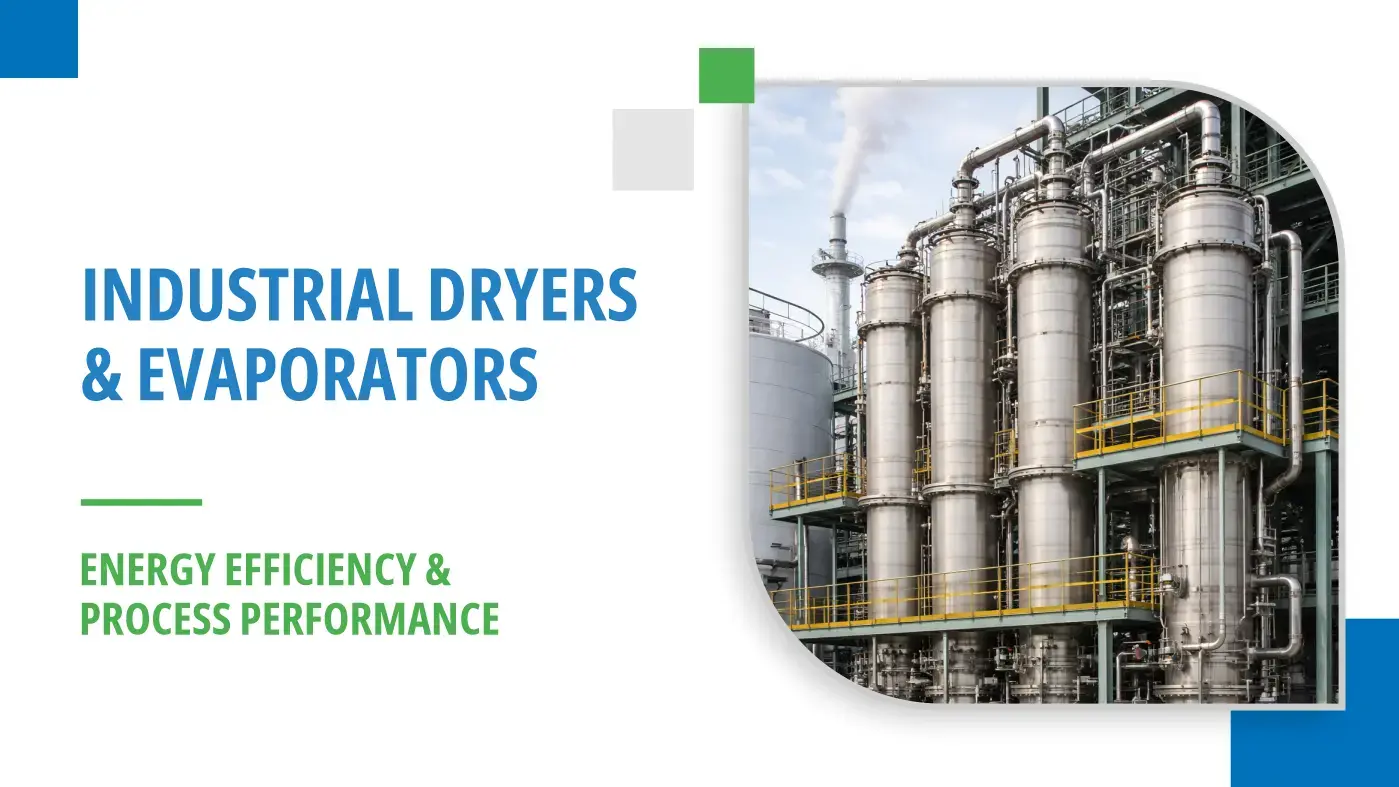
Old industrial dryers and evaporators for process manufacturing
How Old Dryers and...

Old industrial dryers and evaporators can become...

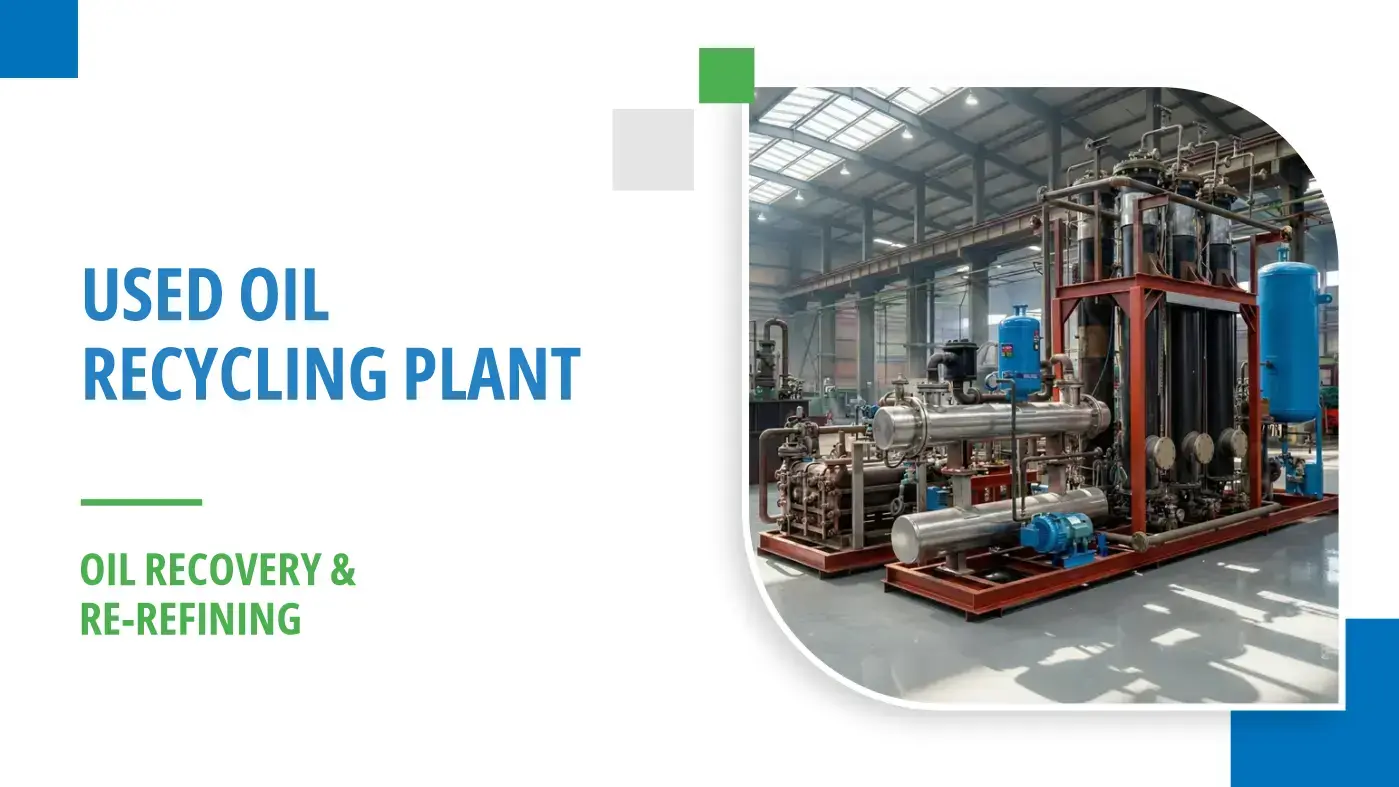
Used oil recycling plant for oil recovery and re-refining
Used Oil Recycling...

Used oil is not simply a waste product. With the...

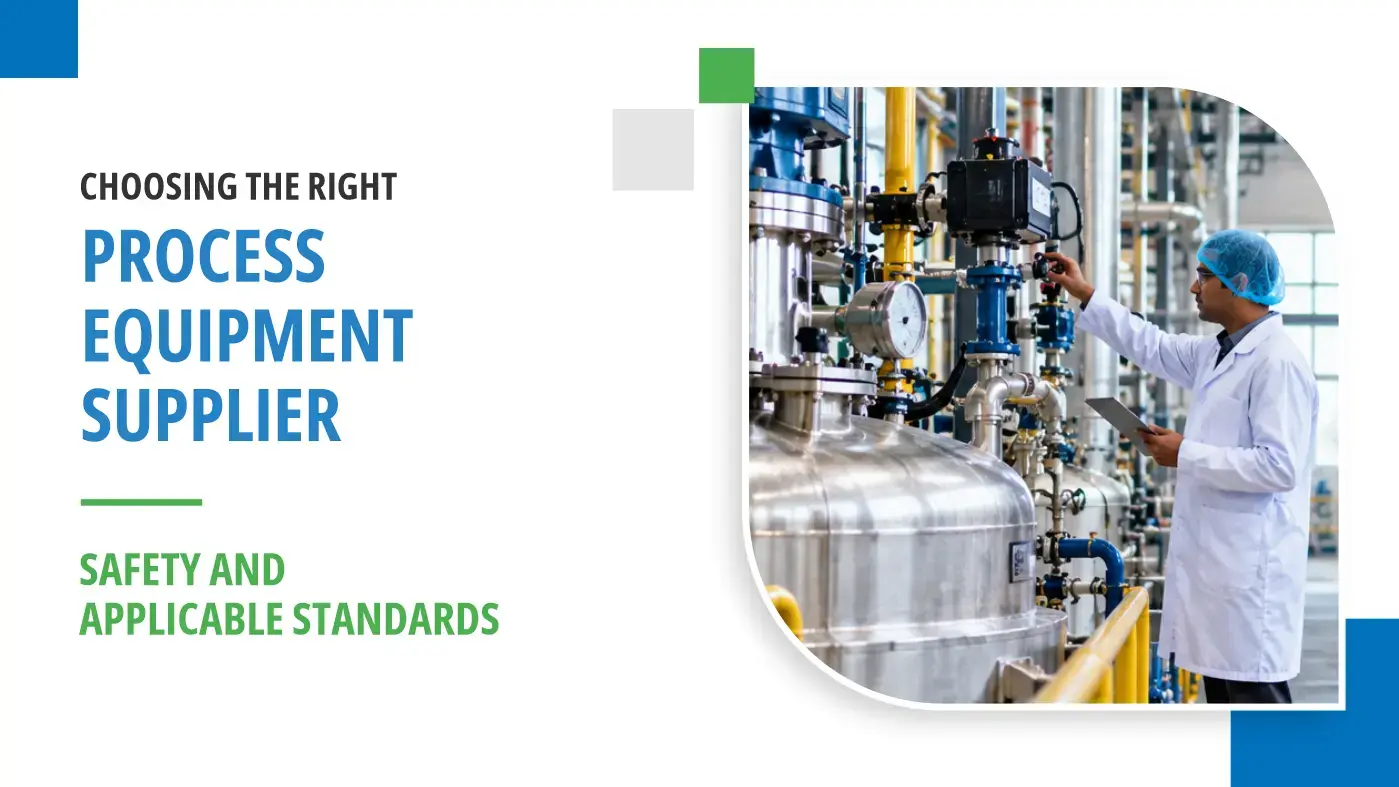
 Chemical Plant Process Equipment
How to Choose the...

Selecting a chemical plant process equipment...

Popular Posts

Old industrial dryers and evaporators for process manufacturing
How Old Dryers and...

Old industrial dryers and evaporators can become...

Used oil recycling plant for oil recovery and re-refining
Used Oil Recycling...

Used oil is not simply a waste product. With the...

 Chemical Plant Process Equipment
How to Choose the...

Selecting a chemical plant process equipment...

Get It Touch

EcoProcess logo
Support


  • Service & Maintenance
  • Spare Parts
  • Technical Resources
Service Centers
  • Mumbai
  • Pune
  • Chennai
  • Nashik
  • Delhi
  • Hyderabad
  • Vizag
    Industries

    • Pharmaceuticals
    • Agrochemicals
    • Paints & Coatings
    • Chemical & Petrochemical
    • Wastewater Treatment
    • Oil & Gas
    • Zero Liquid Discharge
    • Battery Manufacturing
    • Textile
    • Solar Industry

    Locations
    • India Headquarters:

      1401, Vikas Centre, Dr. C Gidwani Road, Chembur (E), Mumbai - 400074, India

    • Manufacturing Facility:

      Chakan Industrial Area, Phase-II, MIDC, Pune - 410501, Maharashtra, India

    • UAE Office:

      Rotative Process Systems FZE, B04-128, RAK Free Zone, Ras Al Khaima, U.A.E.

    © 2026 , Economy Process Solutions Pvt Ltd All Rights Reserved.   |   Privacy Policy   |   Sitemap   |   Terms & Condition