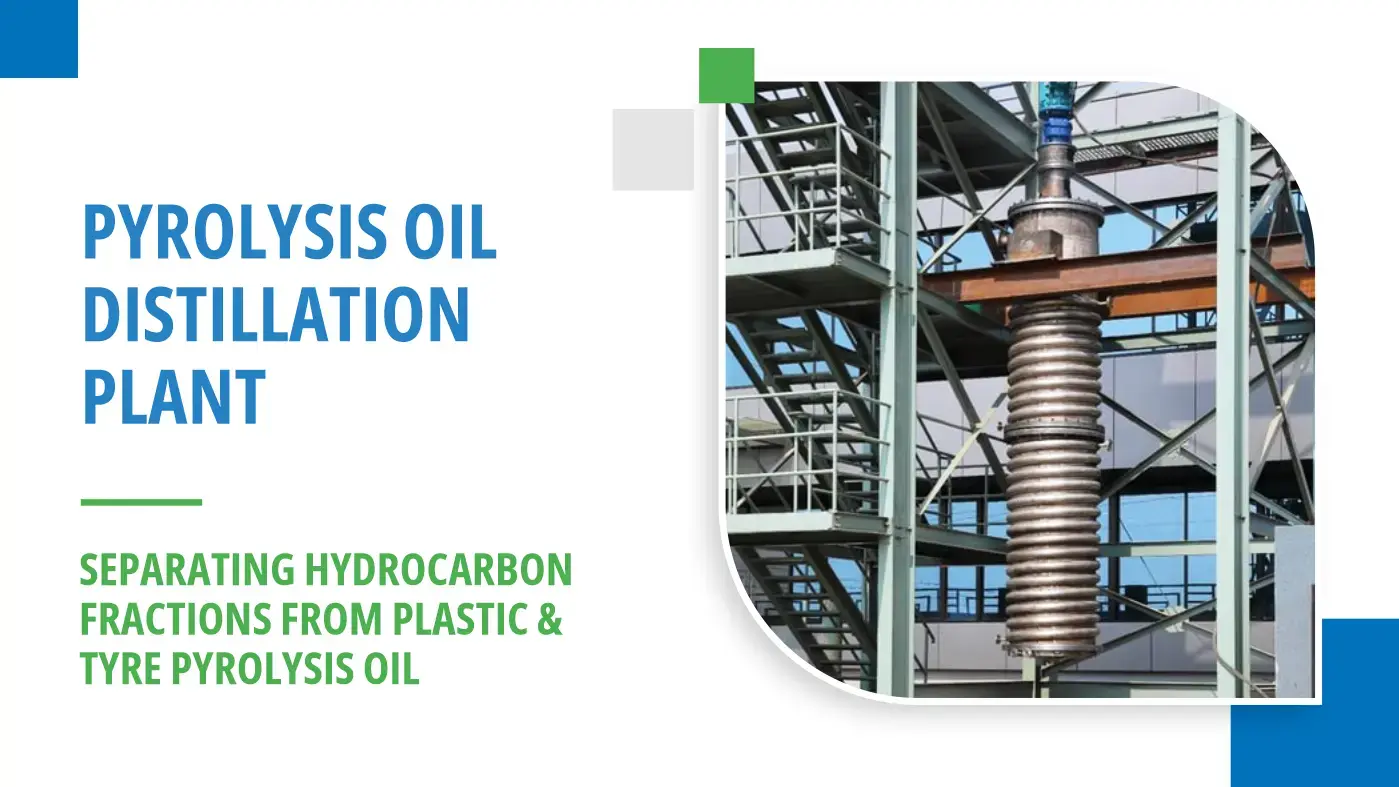
Pyrolysis Oil Distillation Plant: Separation and Recovery of Plastic and Tyre Oil Fractions
Plastic and end-of-life tyres can be thermally processed to produce crude pyrolysis oil, a variable mixture of hydrocarbons accompanied by gases and solid by-products. Plastic-derived oil and tyre pyrolysis oil differ in composition: plastic oil depends largely on polymer type and contamination, while tyre oil may contain more sulphur compounds and aromatic constituents.
Crude pyrolysis oil is not a finished fuel. Its composition, contaminants and boiling-point distribution vary with feedstock and operating conditions, so it generally requires conditioning and further processing. A pyrolysis oil distillation plant separates this mixture into lighter, middle, and heavier hydrocarbon fractions for evaluation, further refining, or suitable industrial applications.
Distillation is a separation step—not a guarantee that a recovered diesel-range fraction meets automotive diesel specifications.
What Is Pyrolysis Oil?
Pyrolysis oil is a liquid hydrocarbon mixture obtained by heating carbon-containing materials in an oxygen-free or oxygen-limited environment.
In waste recycling applications, two commonly processed feedstocks are:
1. Plastic Pyrolysis Oil
Plastic pyrolysis oil is produced by thermally decomposing suitable waste plastics, particularly polyethylene (PE) and polypropylene (PP).
The resulting oil contains different hydrocarbon compounds, and its composition depends on polymer type, feedstock contamination, reactor temperature and operating conditions.
Before distillation, plastic-derived oil may require:
- Removal of suspended carbon and solid particles.
- Water separation and filtration.
- Feed conditioning to manage composition variations.
- Laboratory analysis to establish its boiling-point distribution.
2. Tyre Pyrolysis Oil
Tyre pyrolysis oil (TPO) is recovered through the thermal decomposition of end-of-life tyres.
The process generally produces:
- Tyre Pyrolysis Oil (TPO): A liquid hydrocarbon mixture.
- Pyrolysis Gas: Combustible gases that may be recovered for process heating with appropriate handling systems.
- Recovered Carbon Black and Char: Solid materials requiring further processing.
- Steel: Recovered through suitable separation arrangements.
Compared with plastic-derived oil, tyre pyrolysis oil can contain higher concentrations of sulphur compounds, aromatic hydrocarbons and other feedstock-related impurities.
Consequently, the pretreatment and downstream refining requirements may differ.
Tyre pyrolysis operations must follow applicable environmental and waste management requirements. The Central Pollution Control Board has published a Standard Operating Procedure for recycling waste tyre scrap to recover tyre pyrolysis oil, pyro gas and char, outlining operational and environmental considerations for tyre pyrolysis units.
Why Is Distillation Required for Pyrolysis Oil?
Crude pyrolysis oil is not automatically equivalent to commercial diesel. It contains hydrocarbons with different molecular weights, boiling points, and chemical properties.
|
Process |
Main purpose |
|
Filtration and conditioning |
Remove suspended solids, water and selected contaminants |
|
Distillation |
Separate hydrocarbons into boiling-range fractions |
|
Desulphurisation |
Reduce sulphur compounds where required |
|
Hydrotreatment |
Upgrade product quality by treating selected impurities and unstable compounds |
|
Product testing |
Verify whether the recovered fraction meets its intended specification |
Using untreated pyrolysis oil directly in engines or other applications can create problems because of variations in:
- Viscosity and density
- Flash point
- Sulphur content
- Cetane number
- Water and sediment content
- Chemical stability
- Hydrocarbon composition
This is where a pyrolysis oil distillation plant becomes important.
Distillation separates the crude oil into different fractions according to their boiling-point ranges. The process helps recover specific hydrocarbon cuts, including diesel-range fractions, while separating lighter components and heavier residues.
However, distillation is primarily a separation process. It does not automatically remove all sulphur, nitrogen, oxygen-containing compounds, or other contaminants. Depending on the feedstock and intended application, additional refining processes such as filtration, desulphurization, or hydrotreatment may be required.
How Does a Pyrolysis Oil Distillation Plant Work?
A pyrolysis oil distillation system processes crude plastic or tyre pyrolysis oil to recover different hydrocarbon fractions. The typical process involves the following stages:
Pyrolysis Oil Distillation Process Flow:
Crude Pyrolysis Oil (Plastic / Tyre Oil)
↓
Feed Filtration (Removal of Solids and Impurities)
↓
Controlled Heating (Raising Oil Temperature)
↓
Distillation Column (Separation of Hydrocarbons by Boiling Points)
↓
Vapour Condensation (Cooling Vapours into Liquid)
↓
Product Collection (Separation and Storage of Fractions)
↓
Final Products:
Naphtha / Kerosene Fraction
Diesel-Range Fraction
Heavy Oil Residue
Note: Diesel-range fractions may require additional refining and quality testing before they meet commercial automotive diesel specifications.
Step 1: Feedstock Preparation and Oil Collection
The first stage involves collecting crude pyrolysis oil from the plastic or tyre pyrolysis plant.
Feedstock Analysis Required Before Plant Design
- Feedstock source: plastic pyrolysis oil or tyre pyrolysis oil.
- Feed composition and batch-to-batch variation.
- Density and viscosity.
- Water and suspended solids.
- Sulphur content, particularly for tyre pyrolysis oil.
- Distillation curve or boiling-point distribution.
- Carbon residue and fouling tendency, where relevant.
- Desired product fractions and their quality requirements.
Before entering the distillation system, the oil may undergo preliminary treatment to remove:
- Suspended carbon particles
- Solid impurities
- Water
- Sediments
- Other unwanted contaminants
Filtration and suitable feed conditioning help protect downstream equipment and improve process consistency.
The required pretreatment depends on the characteristics of the incoming oil.
Step 2: Heating the Crude Pyrolysis Oil
The conditioned pyrolysis oil is transferred to a feed tank and then introduced into the heating section of the distillation plant.
A controlled heating system raises the temperature of the oil to initiate vaporisation.
The heating arrangement may use a thermal fluid system or another suitable heat source, depending on the plant design, operating temperature, and feed characteristics.
Temperature control is important because excessive heating can cause thermal degradation, unwanted cracking, or coke formation.
Step 3: Separation Through the Distillation Column
The heated oil enters the distillation column, where separation takes place according to the boiling-point characteristics of the different hydrocarbons.
Lighter components vaporise and move towards the upper section of the column, while heavier components remain towards the lower section.
The column may use trays or packing to improve vapour-liquid contact and separation efficiency.
Depending on the feed composition and process design, the recovered fractions may include:
- Light hydrocarbon fractions
- Naphtha or gasoline-range fractions
- Kerosene-range fractions
- Diesel-range fractions
- Heavy oil and residue
The exact separation temperatures and product yields vary with the composition of the feedstock, operating pressure, column design, and required product specifications.
Step 4: Vapour Condensation and Product Collection
The separated hydrocarbon vapours move towards the condenser, where cooling converts them back into liquid form.
The condensed products are collected in separate receivers or storage tanks, depending on the required fractionation arrangement.
A properly designed condenser system helps maintain stable operation, recover valuable hydrocarbon vapors, and minimize product losses.
Step 5: Recovery of Diesel-Range Fractions
The middle-distillate fraction may contain hydrocarbons within the diesel boiling range.
This fraction is collected separately and can be evaluated for further processing.
However, recovering a diesel-range fraction does not necessarily mean that the product meets commercial automotive diesel specifications.
Additional treatment may be necessary to improve important fuel properties such as:
- Sulphur content
- Flash point
- Cetane number
- Density
- Viscosity
- Oxidation stability
- Lubricity
Hydrotreatment and other suitable upgrading processes may be required depending on the final application.
Step 6: Heavy Residue Handling
The heavier components that do not vaporize under the selected operating conditions remain in the distillation system.
These may include high-boiling hydrocarbons, waxes, and other heavy materials.
The residue is withdrawn through a suitable discharge arrangement for further recovery, processing, or disposal according to its characteristics and applicable environmental requirements.
Batch vs. Continuous Pyrolysis Oil Distillation Plants operation depends on
- Processing capacity and operating hours.
- Feedstock consistency.
- Product cut requirements.
- Heating and cooling requirements.
- Cleaning and maintenance.
- Automation and operator involvement.
- Space and layout requirements.
No one configuration is universally better. The selection should depend on capacity, feed variability, process requirements and economics.
Vacuum Distillation of Pyrolysis Oil: Why Is It Used?
Vacuum distillation operates at a pressure below atmospheric pressure, lowering the boiling temperatures of components compared with operation at atmospheric pressure. This can help process high-boiling or heat-sensitive fractions and may reduce excessive thermal exposure when the operating pressure, temperature and residence time are appropriately designed. Vacuum does not, by itself, prevent thermal degradation or guarantee product quality.
An industrial vacuum distillation arrangement typically integrates the vacuum column with overhead vapour piping, condensers, receivers and a vacuum-generation system. Condensers are selected to recover condensable hydrocarbons and reduce the vapour load reaching the vacuum equipment. The arrangement must account for cooling-water or other utility conditions, condensate handling and non-condensable gases.
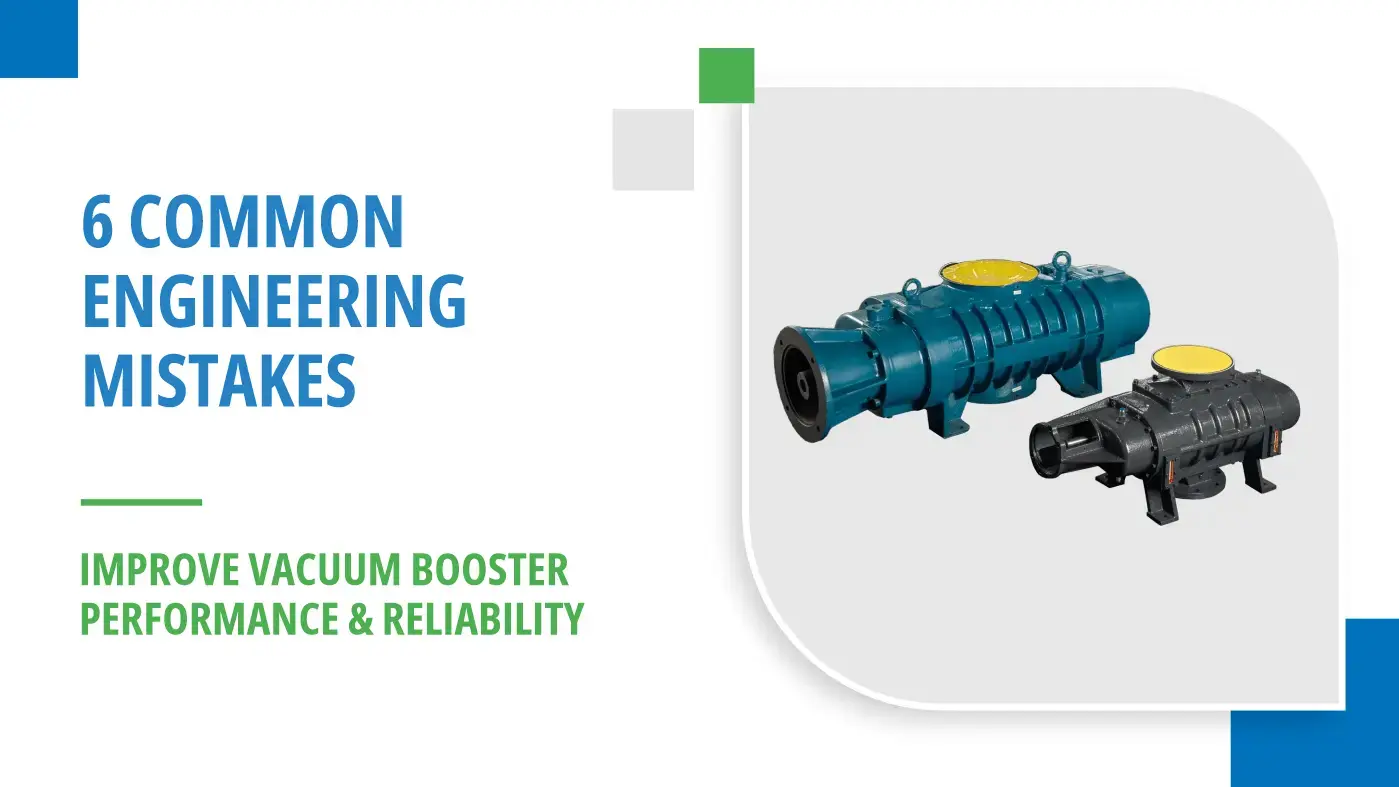
Vacuum pump and booster selection should be based on the required operating pressure and the total gas load—not simply the nominal plant capacity. Key inputs include:
- Vapour load and expected vapour generation at operating conditions.
- The proportion and nature of condensable vapours, and the effectiveness of upstream condensation.
- Gas composition, including non-condensables and any corrosive or hazardous constituents.
- Required operating pressure, allowable pressure variation and system leakage.
- Temperature, material compatibility, contamination potential and suitable gas-handling technology.
- Whether a booster is needed to handle the load efficiently across the required pressure range, together with an appropriate backing pump.
The vacuum system should be engineered with the column, condenser and process controls as one integrated package. Feed analysis and process calculations are necessary to establish the actual duty and equipment configuration.
How Does Fractional Distillation Separate Plastic and Tyre Pyrolysis Oil?
Fractional distillation works on the principle that different hydrocarbons have different boiling-point ranges.
When crude pyrolysis oil is heated, lighter components vaporize more readily than heavier components. A distillation column separates these vapours through repeated vapour-liquid contact.
The following table provides a simplified overview of the fractions that may be recovered.
|
Fraction |
General characteristics |
Potential applications |
|
Light fraction |
Lower-boiling hydrocarbons |
Chemical feedstock and fuel blending after evaluation |
|
Naphtha fraction |
Light hydrocarbon components |
Petrochemical feedstock and further refining |
|
Kerosene-range fraction |
Intermediate-boiling hydrocarbons |
Further processing and suitable industrial applications |
|
Diesel-range fraction |
Middle-distillate hydrocarbons |
Further upgrading, blending, or approved industrial fuel applications |
|
Heavy fraction |
Higher-boiling hydrocarbons |
Further processing or suitable industrial applications |
Note: These are indicative product categories, not universal temperature specifications. Actual boiling ranges, product yields, and quality depend on the feedstock and plant operating conditions.
Essential Equipment Used in a Pyrolysis Oil Distillation Plant
An industrial pyrolysis oil distillation plant is an integrated process system. Equipment sizing and configuration depend on feed analysis, required fractionation, operating pressure, utility availability, and the intended downstream treatment.
|
Equipment |
Function and engineering considerations |
|
Feed tank |
Provides storage and feed buffering. Heating or mixing may be needed to maintain feed consistency, depending on viscosity, temperature, and settling behavior. |
|
Filtration system |
Removes suspended solids and manages contamination before the feed enters sensitive equipment. Filter selection and cleaning frequency depend on particle loading and feed variability. |
|
Heating system |
Supplies controlled heat through a suitable heat-transfer arrangement (such as thermic fluid or another engineered source). Temperature control and heat-transfer surface design help manage thermal degradation and fouling risks. |
|
Distillation column |
Provides vapour–liquid contact for fraction separation. Tray or packing configuration is selected according to separation duty, pressure drop, turndown, and feed characteristics. |
|
Reboiler |
Provides heat input and generates vapour for the column. Its duty and configuration must reflect feed properties, circulation, fouling potential and operating limits. |
|
Condenser |
Recovers overhead vapours as liquid. Cooling duty, coolant conditions, condensable composition and non-condensable load inform condenser sizing and arrangement. |
|
Reflux system |
Returns a controlled portion of condensed liquid to the column. Reflux ratio and control influence separation performance, energy demand and product cut quality. |
|
Vacuum system |
Maintains the required operating pressure and handles gas load. Selection considers pressure, vapour load, condensables, gas composition, upstream condensation and booster/backing-pump arrangement. |
|
Product receivers and storage tanks |
Collect fractions separately and provide suitable storage, venting, temperature management and transfer arrangements based on product properties. |
|
Automation and control |
PLC, instrumentation, alarms and safety interlocks monitor temperature, pressure, levels, flows and critical operating conditions. Control philosophy should include safe shutdown and protection functions. |
The complete equipment package should also address residue discharge, cleaning and maintenance access, utility connections, vapour containment and site-specific safety requirements.
How to Select the Right Pyrolysis Oil Distillation Plant?
Selecting an industrial distillation system requires evaluating feedstock characteristics, processing requirements, and operational considerations.
Key factors to consider include:
- Feedstock Characteristics: Analyse crude pyrolysis oil for density, viscosity, water content, impurities, and boiling-point distribution.
- Processing Capacity: Define the required throughput in terms of volume per hour or day.
- Desired Product Fractions: Identify target fractions, such as light hydrocarbons, diesel-range components, or heavy oil.
- Operating Pressure: Determine whether atmospheric or vacuum distillation is suitable.
- Heating Requirements: Select heating arrangements based on feed properties and thermal stability.
- Material Selection: Ensure corrosion resistance and compatibility with feed contaminants and operating conditions.
- Automation and Safety: Include appropriate instrumentation, temperature and pressure controls, emergency shutdowns, and fire and vapour management.
- Feed Variability and Processing Mode: Consider batch-to-batch variations and select batch, semi-batch, or continuous operation accordingly.
- Fouling and Residue Management: Evaluate coke formation, cleaning requirements, and safe residue discharge.
- Heat Integration and Utilities: Assess heat recovery opportunities and availability of heating, cooling, and electrical utilities.
- Product Quality and Yield: Establish target specifications and estimate yields using laboratory feed analysis and validated process design.
- Downstream Refining: Determine whether additional treatment is required to meet intended product specifications.
- Environmental and Statutory Compliance: Consider applicable emissions, effluent, waste handling, fire safety, and regulatory requirements.
A plant designed around laboratory feed analysis, actual processing requirements, and validated engineering parameters can improve operational reliability and reduce unnecessary equipment costs. Product quality, yield, and fuel suitability must be confirmed through testing and process validation rather than assumed from distillation alone.
How Is Pyrolysis Oil Distillation Yield Determined?
The yield depends on:
-
Feedstock composition and quality.
-
Initial boiling-point distribution.
-
Operating pressure and temperature.
-
Column configuration and separation requirements.
-
Desired cut points and product specifications.
-
Heavy residue and process losses.
-
Additional treatment requirements.
Information Required for a Pyrolysis Oil Distillation Plant Inquiry
|
Requirement |
Information to request |
|
Feedstock |
Plastic pyrolysis oil, tyre pyrolysis oil or a blend |
|
Feed analysis |
Laboratory report and distillation curve |
|
Capacity |
Required processing capacity in TPD or m³/day |
|
Operating mode |
Batch, semi-batch or continuous |
|
Product fractions |
Light, naphtha, kerosene, diesel-range and heavy fractions |
|
Product specifications |
Required quality parameters for each fraction |
|
Operating pressure |
Atmospheric or vacuum, if already specified |
|
Utilities |
Heating, cooling water, electricity and instrument air availability |
|
Plant location |
Country, site conditions and applicable standards |
|
Project scope |
Process package, equipment supply, skid-mounted package or complete plant |
Submit Your Pyrolysis Oil Distillation Plant Requirement.
Industrial Pyrolysis Oil Distillation Solutions by ECOPROCESS
Designing an industrial pyrolysis oil distillation plant requires careful evaluation of feedstock characteristics, separation requirements, operating conditions and downstream product specifications.
ECOPROCESS Solutions, an industrial process equipment and engineering solutions provider, offers equipment and engineered solutions for chemical, pharmaceutical, oil and gas, and other process industries.
Depending on the project requirements, the equipment scope may include:
- Industrial distillation columns and associated process equipment.
- Heating and heat-transfer systems.
- Condensers and product recovery arrangements.
- Vacuum systems for applications requiring reduced-pressure operation.
- Process instrumentation, automation and control systems.
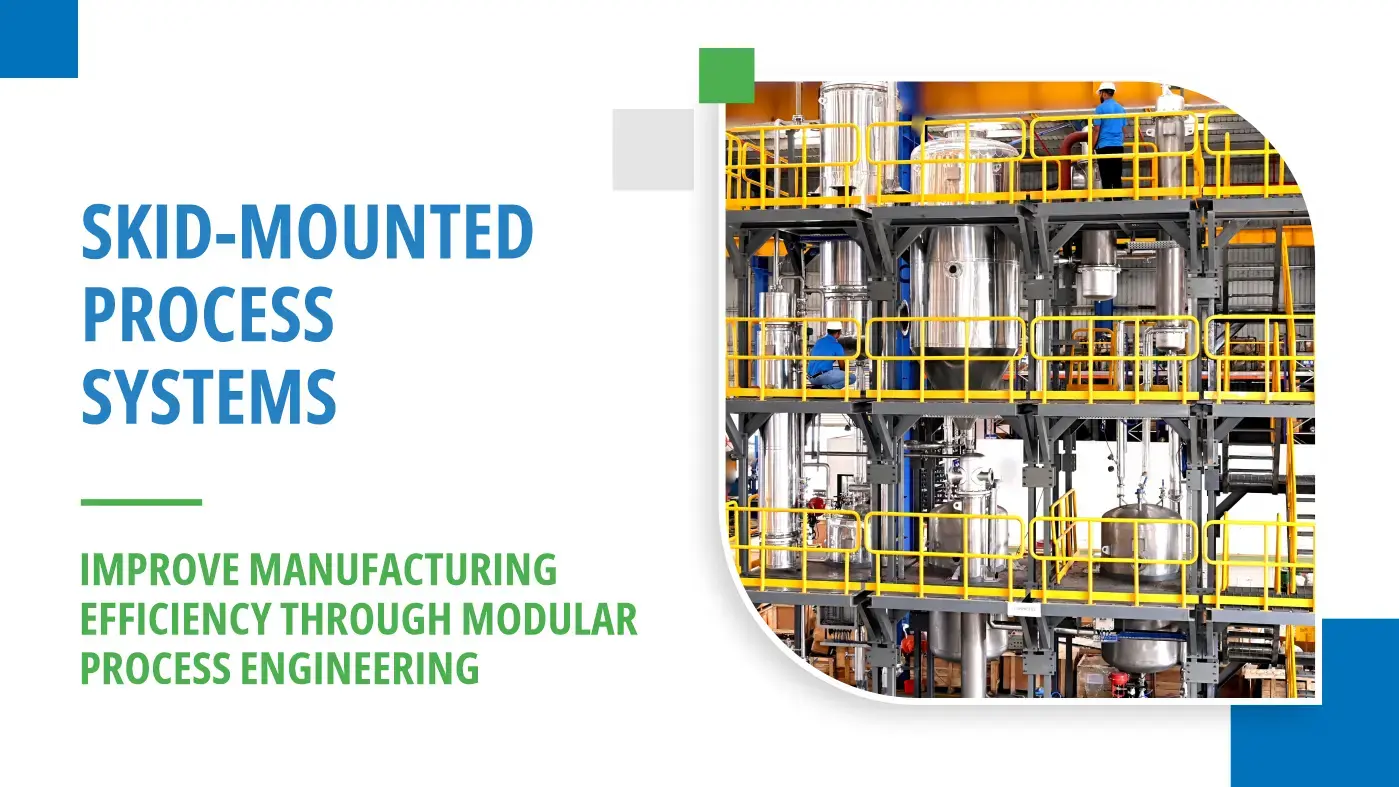
- Integrated process skids and customized equipment configurations.
ECOPROCESS also offers pilot plant facilities to support process evaluation and engineering studies using actual feed materials, subject to application requirements.
The final plant configuration is determined by feedstock analysis, processing capacity, desired product fractions and operating conditions.
Planning a pyrolysis oil distillation project? Contact ECOPROCESS Solutions to discuss your feed characteristics, processing requirements and equipment scope.
Frequently Asked Questions
1. What is the pyrolysis oil distillation process?
The pyrolysis oil distillation process is a thermal separation technique used to separate pyrolysis oil into different fractions based on their boiling points. It helps improve oil quality by separating lighter and heavier components, reducing impurities, and producing fractions suitable for further refining or industrial applications.
2. How does the pyrolysis oil distillation process work?
The pyrolysis oil distillation process generally involves feed filtration, controlled heating, fractional separation, vapour condensation, and product collection. The separated fractions are collected independently for quality testing and further treatment where necessary.
3. Can waste plastic be converted into diesel through distillation?
Waste plastic can first be converted into crude pyrolysis oil through thermal decomposition. Plastic pyrolysis oil distillation can then recover a diesel-range hydrocarbon fraction. Additional refining and quality testing may be required before the recovered product meets automotive diesel specifications.
4. Can pyrolysis oil be directly used as diesel?
Generally no. Crude pyrolysis oil contains impurities, water, and unstable compounds. It needs distillation and refining before it can be used as diesel in most applications.
5. Is the final diesel suitable for vehicles?
Typically, it is used for industrial and non-road purposes. Vehicle use requires meeting national fuel standards, which usually means additional upgrading.
6. What products are obtained from pyrolysis oil distillation?
Depending on the feedstock and system configuration, the process can recover light hydrocarbon fractions, naphtha-range products, kerosene-range fractions, diesel-range components, and heavy residues.
Conclusion
Converting waste plastic and discarded tyres into valuable hydrocarbon products requires more than thermal decomposition. The recovered crude pyrolysis oil must also be processed appropriately to separate its different components and prepare selected fractions for further applications.
A well-designed pyrolysis oil distillation plant provides this separation capability by using controlled heating, fractional distillation, and condensation. Whether processing plastic-derived oil or tyre pyrolysis oil, the system must be engineered around the actual feedstock composition and desired product quality.
For businesses looking to improve hydrocarbon recovery and develop waste-to-resource processing facilities, the right combination of distillation equipment, vacuum technology, and downstream refining can make a significant difference.