Lab Evaporator Setups vs. Commercial Scale Units: What is the Difference
Evaporator setups are necessary for lab and modern activities, such as separating solvent, concentration, and filtration. These setups are intended to take care of various scales, with Lab Evaporator Setups vs. Commercial Scale Units being a basic correlation for scientists and ventures. Understanding the subtleties of these setups guarantees ideal determination and application across different activities.
What is a Lab Evaporator Arrangement?
Lab evaporators utilize four techniques to isolate either strong or fluid from a prepared example. These evaporators are utilized in drug fabricating units. Allow us to start with the lab evaporator set-up and its itemized clarification:
Grasping Lab Evaporator Frameworks
Lab evaporators are minimal units intended for limited-scope applications. They succeed in accuracy and control, making them essential in innovative work settings.
Capability and Highlights of Lab Evaporators
Lab evaporators, for example, revolving evaporators, work by diminishing the strain to bring down the limit of solvents. Key highlights incorporate exact temperature control, simplicity of activity, and versatility to different trial arrangements.
Common Applications in Research Centres
Normal utilization of lab evaporators include:
Dissolve solvent
Test readiness
Centralization of arrangements
Purging of mixtures
These setups are essential for drugs, food, and chemical research industries.
Benefits of Commercial Scale Evaporator
Lab evaporators offer unmatched control and proficiency, making them ideal for exploratory work. They require negligible space and back development by empowering specialists to calibrate processes on a limited scale.
What is a Commercial Scale Evaporator?
A commercial scale evaporator assists in eliminating squandering or different particles from solvents, which later turn into fumes. Here is the clarification beneath the business scale evaporator:
Business Evaporator Frameworks Explained
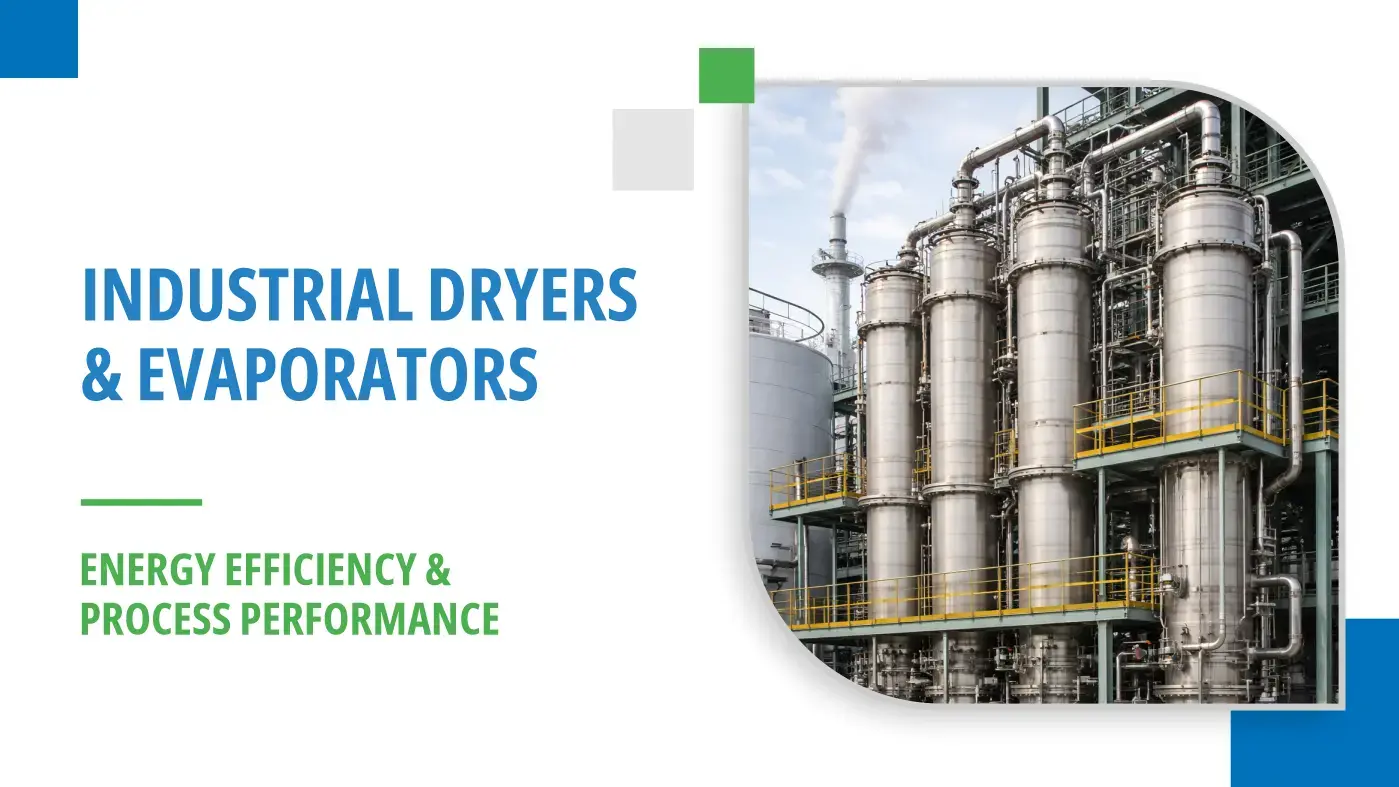
Business evaporators are intended for huge-scope modern applications, where high throughput and productivity are fundamental. These units take special care of industries requiring mass handling of fluids and solids.
Key Elements of Business Evaporators
Elements of business evaporators include:
High-limit handling
Strong development for persistent activity
High-level mechanization for productivity
Reconciliation with other modern frameworks
Modern applications for enormous scope tasks
Commercial evaporator systems are broadly utilized in enterprises, for example,
Wastewater treatment
Food and refreshment creation
Synthetic assembling
Drug Creation
Proficiency and Result in Business Evaporator Frameworks
Business units focus on proficiency, empowering huge energy investment funds and higher results. Their adaptability makes them reasonable for taking care of assorted modern requirements.
Key Differences between Lab and Commercial Evaporators
Here are the basic differences between lab vs industrial evaporator efficiency. Looking at Lab and Business Evaporator Frameworks:
Understanding the differences between lab and commercial evaporators is fundamental for choosing the right situation.
1. Scale and Limit
Lab evaporators are intended for limited-scope tasks, ordinarily taking care of volumes of a couple of liters. Conversely, business units can deal with a huge number of liters every day, taking special care of large-scale manufacturing.
2. Functional Expenses and Upkeep
Lab units are financially savvy and require negligible support. Then again, business evaporators include higher beginning speculation and progressing upkeep costs because of their intricacy and size.
3. Energy Proficiency and Natural Effect
While lab evaporators center around accuracy, business units focus on energy proficiency. Many leading vacuum pump manufacturers plan frameworks in light of manageability, decreasing energy utilization, and natural effects.
4. Adaptability and Customization
Lab setups offer adaptability for trial adjustments, though business frameworks are frequently customized to explicit modern cycles.
5. Application Degree and Adaptability
Lab evaporator applications are principally research-centered, while business frameworks take care of huge-scope tasks with a more extensive scope of uses.
Picking the Right Evaporator Situation for Your Necessities
Individuals before choosing the lab evaporators need to understand how lab evaporators differ from commercial evaporators. Evaporator system scalability means that the evaporator system is accelerated to handle an increased amount of liquid and wastewater. Let’s figure out which evaporator will be the most suitable for your activity:
Which Evaporator is Appropriate for Your Activities?
Choosing the right evaporator relies upon factors like scale, spending plan, and functional objectives.
Variables to Consider While Choosing an Evaporator
Key contemplations include:
The volume of material to process
Energy proficiency prerequisites
The level of mechanization required
Mix with existing frameworks
• When to Utilize Lab-Scale versus Business Scale Frameworks?
Lab Evaporator Setups vs. Commercial Scale Units reduces the reason for use. Select lab-scale frameworks for examination and pilot studies, and business units for high-volume modern creation.
• Advantages of Increasing Lab Evaporators for Bigger Applications
Increasing lab evaporators permits ventures to refine processes on a limited scale prior to progressing to full-scale creation. This limits chances and guarantees process advancement.
Lab to Business: Scaling Evaporator Frameworks for Industry
• Changing from Lab to Commercial Evaporator Systems
Scaling from lab to business activities includes cautious intent to guarantee proficiency and keep up with item quality.
• Difficulties of Scaling Lab Evaporators
Normal difficulties include:
Keeping up with item consistency
Tending to contrasts in heat movement and mass stream
Adjusting to expanded functional requests
• Moving up to Business Units: What You Want to Be Aware of?
Changing to business frameworks requires:
Assessment of creation needs
Coordinated efforts with gear producers
Interest in staff preparing and framework
Case Studies of Scale-Up Activities
Industries often use lab evaporator set up pilot plant setups to test processes before scale-up. Here is the success story featuring the significance of pilot plants in reducing the gap between lab and commercial processes.
Final Words: Grasping the Best Evaporator Answer for Your Necessities
In conclusion, lab evaporator setups vs. commercial scale units are different in scale, effectiveness, and application. Lab setups succeed in accuracy and exploration, while business units are intended for high-limit creation. Consider factors like functional necessities, financial plans, and adaptability while picking the right system. Working together with leading vacuum pump manufacturers and using pilot plants can smooth out this interaction.