• +91 8828241261
  • sales@ecoprocesssolutions.com
Eco Process Solutions
  • About
  • Solutions
    • By Industry
      • Pharmaceutical
      • Chemical
      • Agrochemical
      • Paints & Coatings Industry
      • Oil & Gas Industry
      • Water & Wastewater
      • Zero Liquid Discharge (ZLD)
      • Solar Industry
      • Battery Manufacturing
      • Textile Industry
    • By Application
      • Distillation
      • Evaporation
      • Drying
      • Solvent Recovery
      • Zero Liquid Discharge (ZLD)
      • Extruder Degassing
      • Vapor Recovery
      • Waste/Used Oil Recovery
    • Custom Solutions
  • Products
    • Vacuum Systems
      • Dry Screw Vacuum Pumps
      • Mechanical Booster Vacuum Pumps
      • Rotary Vane Vacuum Pumps
      • Hook And Claw Dry Vacuum Pumps
      • Liquid Ring Vacuum Pumps
      • Multi Stage Vacuum
      • Lobe Blowers
      • Rotary Piston Vacuum Pumps
    • Process Solutions
      • Dryers
      • Evaporators
      • Process Equipment
    • Pilot Plant
    • Electrical Panel and instrumentation
  • Service
    • Spare Parts
    • Maintenance Programs
  • Sustainability
    • Climate Action
    • Energy Management
    • CSR
  • Knowledge Hub
    • Blog & Articles
    • Case Studies
    • Resources & Downloads
  • Careers
  • Contact
  • There are no suggestions because the search field is empty.

The Future of Sustainable Aviation Fuel (SAF):...

EcoProcess Solutions
Mar 30, 2026

The Future of Sustainable Aviation Fuel (SAF): Role of Vacuum Systems

In the global push to clean up aviation, one thing’s becoming clear: sustainable aviation fuels (SAF) might just be our best bet. They can cut carbon emissions dramatically, and the best part? We don’t need to reinvent airplanes or overhaul airport systems to use them.

But here’s the catch: making SAF at scale isn’t simple. It takes some serious tech power behind the scenes, especially advanced vacuum systems. These systems quietly do the heavy lifting, keeping production efficient, ensuring the final fuel is pure, and helping reduce overall energy use and waste.

In this article, we’ll break down what SAF actually is, how vacuum systems fit into the picture, why they matter so much, and what kind of real-world progress we’re seeing. Plus, we’ll tackle a few common questions about this fast-evolving field that’s reshaping the future of flight.

What is Sustainable Aviation Fuel?

Sustainable Aviation Fuel or SAF, as it’s often called, is basically jet fuel made from renewable or waste materials instead of crude oil. Think used cooking oil, animal fats left over from food processing, or even bits of agricultural waste that would otherwise be tossed out. Some newer methods even use captured CO? mixed with green hydrogen to create synthetic fuels.

What makes SAF such a big deal is that it doesn’t need a new fleet of aircraft or airports built from scratch. You can drop it straight into existing engines, often with little or no modification. That “drop-in” compatibility makes it one of the most realistic short-term paths toward cutting aviation’s carbon footprint.

Depending on how it’s made and what it’s made from, SAF can slash lifecycle CO? emissions anywhere from 60% to 90% compared to traditional jet fuel. Still, making it isn’t cheap and the process takes a lot of energy. That’s why every gain in efficiency counts. Technologies that help purify, dehydrate, and refine the fuel like advanced vacuum systems are turning out to be key players in scaling production sustainably.

Why Vacuum is Key in SAF Tech

Vacuum systems might not get the spotlight in sustainable aviation fuel production, but they’re doing some of the most important behind-the-scenes work. They keep the process stable, help ensure the final fuel meets strict purity standards, and even make the whole operation more energy efficient.

1. Distillation and Devolatilization
In pathways like HEFA (hydrotreated esters and fatty acids) or Fischer–Tropsch synthesis, vacuum distillation separates out volatile compounds and unwanted impurities and it does so at lower temperatures. That means less energy use, less thermal stress on the fuel, and more consistent product quality.

2. Vacuum Swing Adsorption (VSA) and Gas Separation
Vacuum plays a key role in gas-treatment stages too. In systems that capture CO? or purify hydrogen, it helps regenerate the sorbents that trap gases. The result? More reliable purity levels and smoother downstream reactions.

3. Leak Detection and Quality Control
Aviation fuel can’t afford impurities. Instruments like mass spectrometers or VUV (vacuum ultraviolet) spectrometers depend on vacuum conditions to detect the tiniest traces of contaminants even down to olefin residues.

4. Solvent Recovery and Evaporation
By applying vacuum during evaporation, producers can recover solvents efficiently and strip away volatiles without cranking up the heat. It’s cleaner, cheaper, and much easier on the environment.

5. Feedstock Pretreatment
Before any chemical conversion happens, feedstocks are often vacuum-dried to pull out moisture, oxygen, and gases. That step helps reactions run more smoothly and prevents corrosion or unwanted oxidation later in the process.

In short, without a solid vacuum system, SAF production simply wouldn’t hold up. It’s the quiet foundation that keeps the entire operation pure, stable, and efficient enough to meet aviation’s demanding standards.

Environmental & Operational Benefits

Bringing vacuum systems into SAF production isn’t just a technical upgrade, it's a smart environmental move with some real-world process payoffs too.

Environmental Benefits

Lower Energy Use: Running distillation or drying stages under vacuum means lower boiling points, so there’s less need to blast everything with heat. That saves serious energy.

Reduced Emissions: When you cut energy use, you cut carbon. Even in plants that still rely partly on fossil utilities, the CO? savings start to add up fast.

More Feedstock Options: Vacuum systems can handle trickier materials — like waste oils or wetter biomass which opens the door to a broader mix of renewable inputs.

Less Waste: Better separation and purification mean fewer unwanted by-products and cleaner waste streams.

Better Fuel Quality: A steady vacuum helps keep the product consistent and pure exactly what aviation safety standards demand.

Operational Benefits

Stable Processes: Vacuum control keeps reactions predictable and repeatable, which is crucial when scaling up.

Less Downtime: High-performance pumps and stable vacuum levels mean fewer maintenance stops and smoother operation overall.

Scalable Performance: As SAF production ramps from pilot to commercial scale, maintaining an even vacuum across complex systems becomes key to keeping output steady.

Lower Lifetime Costs: Efficient vacuum systems don’t just use less power — they help the whole plant run longer and cleaner, reducing total cost of ownership.

For suppliers like Economy, delivering cutting-edge vacuum technology isn’t just about selling equipment. It’s about helping producers hit their environmental goals while keeping SAF production efficient, reliable, and profitable.

Real-World Applications

Across the industry, several major SAF projects and technology providers are proving just how critical vacuum systems have become.

Busch Vacuum Solutions, for example, emphasizes that vacuum is essential for SAF processes like distillation, devolatilization, and gas separation all of which help maintain consistent product quality while cutting operating costs.

Meanwhile, CPM has built advanced vacuum systems right into its oil-bleaching and refining units, making it easier to process SAF feedstocks efficiently and with less waste.

And Sulzer recently supplied core fluid-handling equipment, including vacuum-related technologies for a massive SAF plant in China capable of producing half a million tons per year. Their work highlights how vital reliable vacuum infrastructure is when moving from pilot projects to full commercial scale.

A typical modern SAF facility might include:


Multi-stage vacuum distillation towers for separating finished products


Vacuum evaporators that recover solvents and heat


Gas-treatment units using vacuum swing adsorption


Analytical instruments relying on vacuum-based spectroscopy


Feedstock degassing and drying modules


Together, these systems form the backbone of a high-efficiency, low-emission SAF production line, the kind of setup that makes large-scale sustainable aviation fuel not just possible, but practical.

Conclusion

When people talk about sustainable aviation fuel, the spotlight usually lands on feedstocks, hydrogen, or carbon policy. But the real story is often what’s happening behind the scenes: the systems that quietly make production cleaner and more efficient. Vacuum technology is one of those unsung heroes, doing its job without fanfare yet proving essential to the future of sustainable flight.

By enabling low-temperature separations, cleaner solvent recovery, tighter contaminant control, and steadier process conditions, vacuum systems help cut both energy use and emissions. And as the SAF industry grows from pilot-scale innovation to global deployment, the need for durable, high-efficiency vacuum solutions will only keep climbing.

For companies like the Economy, that’s more than a business opportunity; it's a chance to redefine what sustainability technology means. Vacuum systems aren’t just pieces of hardware anymore; they’re part of the foundation driving aviation toward a cleaner, smarter future.

Frequently Asked Questions (FAQs)

1. What is SAF, and why is it important?

Sustainable Aviation Fuel (SAF) is a renewable alternative to fossil jet fuel. It’s produced from waste oils, fats, biomass, or synthetic sources, and can reduce lifecycle CO? emissions by up to 90%. SAF enables airlines to cut emissions without replacing existing aircraft.

2. Why is vacuum technology used in SAF production?

Vacuum systems help with distillation, drying, gas separation, and quality control. Operating processes under vacuum lowers energy use, prevents product degradation, and ensures consistent fuel quality that meets aviation standards.

3. How does vacuum technology reduce emissions?

By allowing chemical separations at lower temperatures, vacuum systems consume less energy. Lower energy use means less fuel burned and, therefore fewer greenhouse gas emissions during SAF production.
  • There are no suggestions because the search field is empty.

Get It Touch

Posts by Tag

  • vacuum-system-blogs (80)
  • booster-blogs (79)
  • liquid-ring-blogs (73)
  • lobe-blowers-blog (73)
  • rotary-piston-blogs (71)
  • rotary-vane-blogs (71)
  • dry-screw-blogs (70)
  • hook-claw-blogs (70)
  • process-equipment-blogs (69)
  • industrial-blogs (63)
  • process-sol-blogs (63)
  • dryers-blogs (61)
  • evaporation-blogs (61)
  • evaporators-blog (61)
  • distillation-blogs (58)
  • blogs (25)
  • custom-sol-blogs (19)
  • application-blogs (13)
  • battery-manufacturing-blogs (13)
  • multi-stage-blogs (12)
  • solvent-recovery-blogs (12)
  • application-zld-blogs (11)
  • pilot-plant-blogs (11)
  • agrochemical-blogs (10)
  • chemical-blogs (10)
  • drying-blogs (10)
  • industrial-process-equipment (9)
  • industry-zld-blogs (9)
  • pharma-blogs (9)
  • textile-industry-blogs (9)
  • vapor-recovery-blogs (9)
  • water-oil-recovery-blogs (9)
  • water-wastewater-blogs (9)
  • industrial vacuum systems (7)
  • vacuum-systems (7)
  • Heat Exchanger (6)
  • oil-gas-blogs (6)
  • Dry Screw Vacuum Pump (5)
  • paints-coating-blogs (5)
  • predictive maintenance (5)
  • Industry-case-study (4)
  • Mechanical Vacuum Boosters (4)
  • Vacuum Booster (4)
  • gassing-blogs (4)
  • industrial-vacuum-pumps (4)
  • liquid-ring-case-study (4)
  • lobe-blowers-case-study (4)
  • pharmaceutical-manufacturing (4)
  • Industrial Energy Efficiency (3)
  • MVR evaporation system (3)
  • MVR evaporator (3)
  • application-case-study (3)
  • battery-manufacturing-case (3)
  • booster-case-study (3)
  • dry-screw-vacuum-pumps (3)
  • energy-efficient-systems (3)
  • heat-recovery-systems (3)
  • industrial evaporator (3)
  • mechanical vacuum booster (3)
  • paints-and-coatings-case-study (3)
  • rotary-piston-case-study (3)
  • solar-industry-blogs (3)
  • vacuum-distillation (3)
  • Distillation Column (2)
  • MEE system (2)
  • Process Equipment Solutions (2)
  • Process_Equipment_Solutions (2)
  • Rotary Vane Pump (2)
  • Used Oil Re-Refining (2)
  • Waste Oil Recovery (2)
  • ZLD Plant (2)
  • ZLD System (2)
  • Zero Liquid Discharge (2)
  • case-studies (2)
  • chemical-case-studies (2)
  • custom-sol-case-study (2)
  • degassing-case-study (2)
  • distillation-system (2)
  • dry-screw-case-study (2)
  • dry_screw_vacuum_pump (2)
  • hook-claw-case-study (2)
  • industrial automation (2)
  • industrial equipment maintenance (2)
  • industrial evaporator system (2)
  • industrial evaporators (2)
  • industrial_vacuum_solutions (2)
  • industry-zld-case-study (2)
  • oil recycling solutions (2)
  • preventive-maintenance (2)
  • process-industry (2)
  • process_engineering (2)
  • rotary-vane-case-study (2)
  • solvent-recovery-systems (2)
  • textile-case-study (2)
  • thermal-process-equipment (2)
  • vacuum evaporator (2)
  • vacuum system monitoring (2)
  • vacuum-drying-systems (2)
  • vacuum-pump-technology (2)
  • wastewater evaporation system (2)
  • AI in manufacturing (1)
  • AI-based optimization (1)
  • Carbon emissions in manufacturing (1)
  • Chemical Industry Heat Exchanger (1)
  • Corrugated Tube Heat Exchanger (1)
  • Dry Vacuum Pumps in Semiconductor Manufacturing (1)
  • Energy Efficiency in Manufacturing (1)
  • Energy Efficient Heat Exchanger (1)
  • Energy Saving Equipment (1)
  • Energy-Efficient Process Equipment (1)
  • Falling film evaporator (1)
  • Food Processing Heat Exchanger (1)
  • Food Processing Vacuum Pumps (1)
  • Heat Exchangers (1)
  • Indonesian palm oil processors (1)
  • Indonesian palm oil refineries (1)
  • Industrial Energy Savings (1)
  • Industrial IoT Solutions (1)
  • Industrial Wastewater Treatment (1)
  • Industrial decarbonization (1)
  • Industrial-IoT(IIoT) (1)
  • Industry 4.0 (1)
  • Liquid Ring Vacuum Pump (1)
  • Multiple Effect Evaporator (1)
  • Oil-Free Vacuum Pumps (1)
  • Oil-Free Vacuum Systems (1)
  • Palm Oil Refining (1)
  • Pharmaceutical Heat Exchanger (1)
  • Pharmaceutical Vacuum Pumps (1)
  • Predictive Maintenance for Pumps (1)
  • Rising film evaporator (1)
  • Shell and Tube Heat Exchanger (1)
  • Smart Vacuum Pump Monitoring (1)
  • Spiral Heat Exchanger (1)
  • Sustainable manufacturing (1)
  • TVR evaporator (1)
  • Turnkey ZLD Solutions (1)
  • Vacuum Pump Monitoring (1)
  • Waste Oil Re-Refining (1)
  • Waste Oil Recovery Systems (1)
  • agrochemical-case-study (1)
  • application-zld-cs (1)
  • backing pump selection (1)
  • chemical equipment supplier (1)
  • chemical plant process equipment (1)
  • chemical process equipment manufacturer (1)
  • chemical process equipment suppliers (1)
  • crude palm oil (CPO) (1)
  • custom-engineered process systems (1)
  • distillation equipment (1)
  • distillation-column-design (1)
  • dry_vacuum_pump (1)
  • drying-sol-case-study (1)
  • ecoprocess process equipment (1)
  • edible-oil refining (1)
  • energy-efficient-distillation-system (1)
  • equipment maintenance (1)
  • evaporate-sol-case-study (1)
  • evaporator technology (1)
  • factory-assembled process systems (1)
  • heat transfer efficiency (1)
  • high-vacuum distillation (1)
  • industrial ZLD system (1)
  • industrial dryer efficiency (1)
  • industrial dryer energy consumption (1)
  • industrial dryers (1)
  • industrial drying efficiency (1)
  • industrial evaporation efficiency (1)
  • industrial evaporation system (1)
  • industrial evaporator energy consumption (1)
  • industrial evaporator for wastewater treatment (1)
  • industrial vacuum evaporation systems (1)
  • industrial wastewater evaporator (1)
  • industrial-engineering (1)
  • industrial-maintenance (1)
  • industrial_engineering_solutions (1)
  • industrial_manufacturing (1)
  • integrated industrial process systems (1)
  • liquid ring vacuum pumps (1)
  • manufacturing process control (1)
  • manufacturing_equipment_solutions (1)
  • mechanical booster pump (1)
  • medical-industry (1)
  • modular process packages (1)
  • modular process system (1)
  • modular skid-mounted systems (1)
  • oil filtration systems (1)
  • oil-and-gas-case-study (1)
  • oil_and_gas_industry (1)
  • oil_and_gas_process_equipment (1)
  • oil_free_vacuum_pumps (1)
  • palm oil processors (1)
  • pilot-plant-case-study (1)
  • predictive-analytics-for-manufacturing (1)
  • predictive-vs-preventive-maintenance (1)
  • pro-equipment-cs (1)
  • process equipment manufacturers (1)
  • process equipment procurement (1)
  • process equipment supplier (1)
  • process solution (1)
  • process variation (1)
  • process-machinery (1)
  • process-optimization (1)
  • process-plant-engineering (1)
  • process-plant-maintenance (1)
  • process-sol-case-study (1)
  • short-path-distillation (1)
  • skid-mounted industrial process equipment (1)
  • skid-mounted process systems (1)
  • skid-mounted vacuum systems (1)
  • solar-case-study (1)
  • solvent-recovery-cs (1)
  • sustainable_process_equipment_solutions (1)
  • thin-film evaporation (1)
  • used engine oil recycling (1)
  • used lubricant oil recycling (1)
  • used oil re-refining plant (1)
  • used oil re-refining process (1)
  • used oil recycling (1)
  • used oil recycling plant (1)
  • used oil recycling plant cost (1)
  • used oil recycling process (1)
  • vacuum booster maintenance (1)
  • vacuum booster troubleshooting (1)
  • vacuum distillation of used oil (1)
  • vacuum evaporation technology (1)
  • vacuum pump maintenance (1)
  • vacuum-assisted-distillation (1)
  • waste oil recovery plant (1)
  • waste oil recycling plant (1)
  • wastewater evaporator (1)
  • wastewater-case-study (1)
See all

Recent Posts

Popular Posts

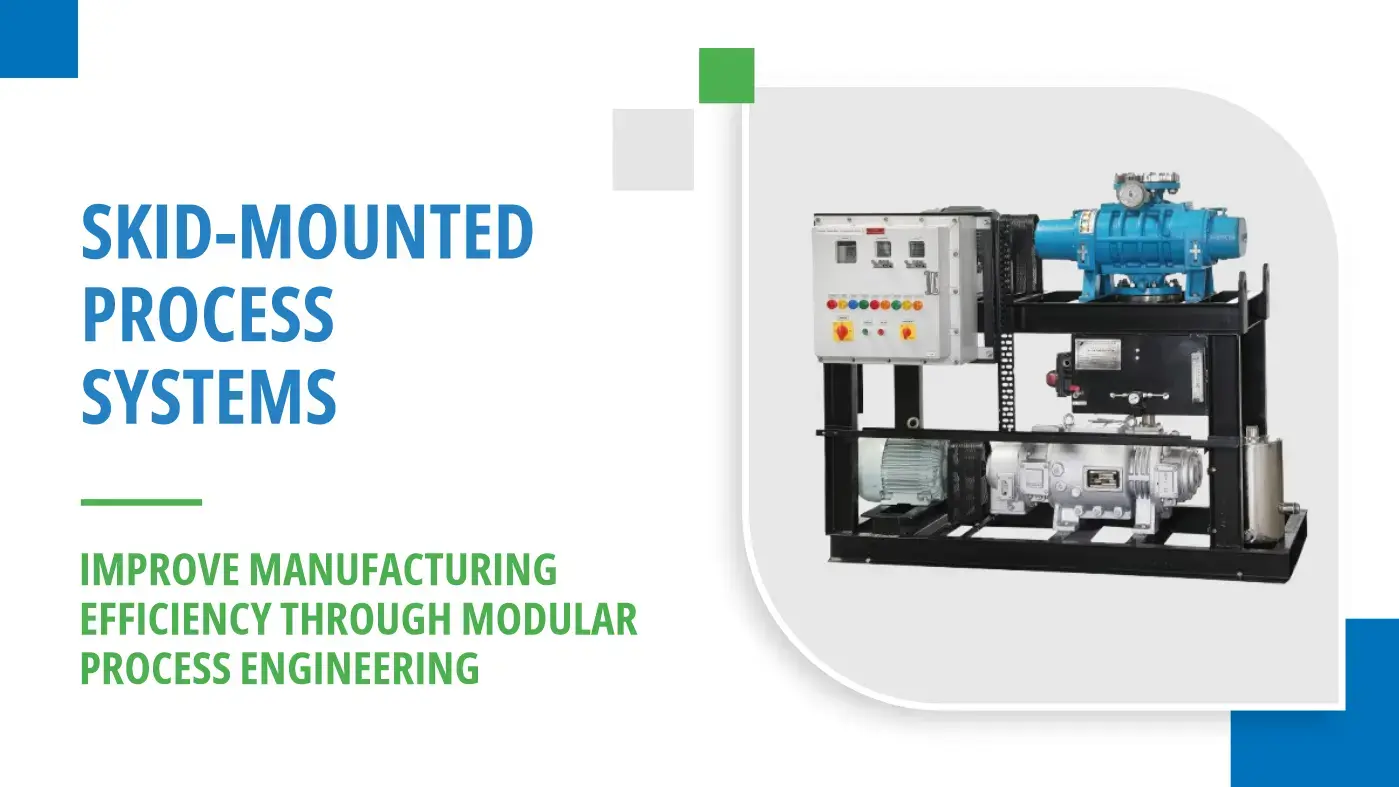
Modular skid-mounted industrial process system
How Skid-Mounted...

Industrial plants often need to integrate pumps,...

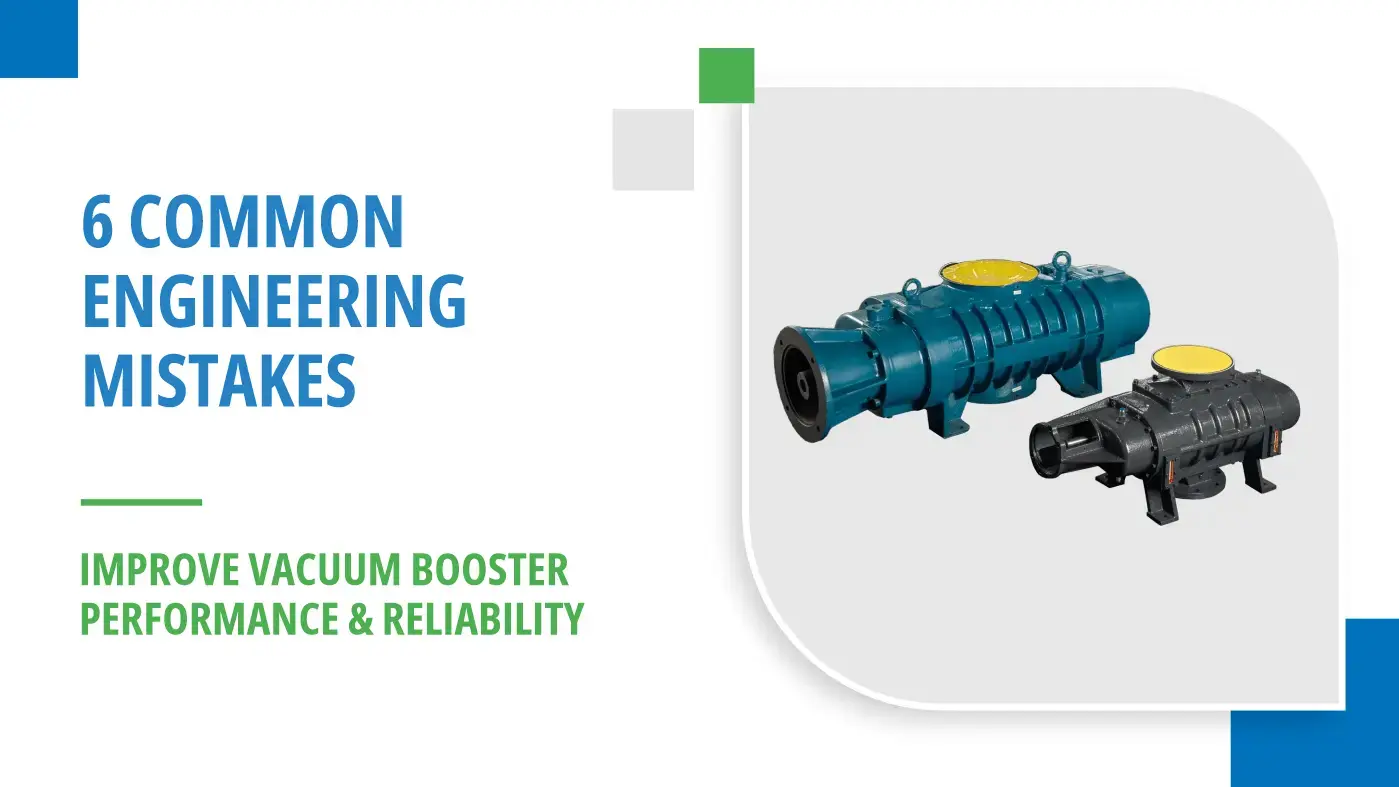
Industrial vacuum booster pump used in a vacuum system
Industrial Vacuum...

Vacuum booster pumps play an important role in...

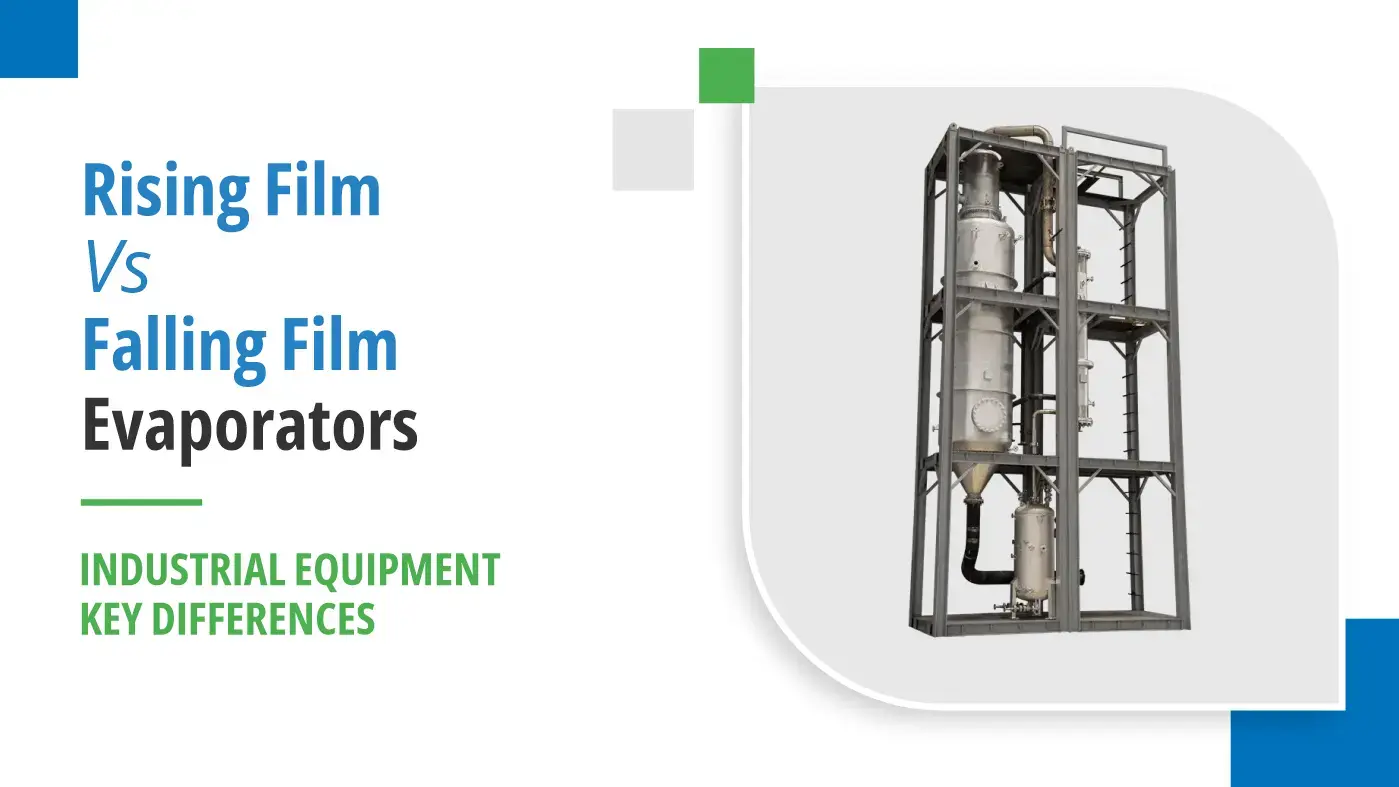
Rising film and falling film evaporators for industrial process applications
Rising Film vs....

Evaporation is an essential industrial process...

Get It Touch

EcoProcess logo
Support


  • Service & Maintenance
  • Spare Parts
  • Technical Resources
Service Centers
  • Mumbai
  • Pune
  • Chennai
  • Nashik
  • Delhi
  • Hyderabad
  • Vizag
    Industries

    • Pharmaceuticals
    • Agrochemicals
    • Paints & Coatings
    • Chemical & Petrochemical
    • Wastewater Treatment
    • Oil & Gas
    • Zero Liquid Discharge
    • Battery Manufacturing
    • Textile
    • Solar Industry

    Locations
    • India Headquarters:

      1401, Vikas Centre, Dr. C Gidwani Road, Chembur (E), Mumbai - 400074, India

    • Manufacturing Facility:

      Chakan Industrial Area, Phase-II, MIDC, Pune - 410501, Maharashtra, India

    • UAE Office:

      Rotative Process Systems FZE, B04-128, RAK Free Zone, Ras Al Khaima, U.A.E.

    © 2026 , Economy Process Solutions Pvt Ltd All Rights Reserved.   |   Privacy Policy   |   Sitemap   |   Terms & Condition