Key Requirements of Process Machinery for Industrial Operations | ECOPROCESS
Process machinery forms the backbone of industries such as pharmaceuticals, chemicals, agrochemicals, food processing, water treatment, and energy. Selecting the right equipment is not merely a procurement decision — it is a long-term engineering commitment that directly impacts product quality, operational safety, energy costs, and regulatory compliance. Modern industries increasingly rely on process plant engineering solutions to improve efficiency, safety, and long-term operational performance.
What is Process Machinery?
Process machinery refers to specialized industrial equipment used to transform raw materials into finished products through physical, chemical, thermal, or mechanical processes.
Common examples include:
- Vacuum systems and vacuum pumps
- Mechanical vacuum boosters
- Distillation columns
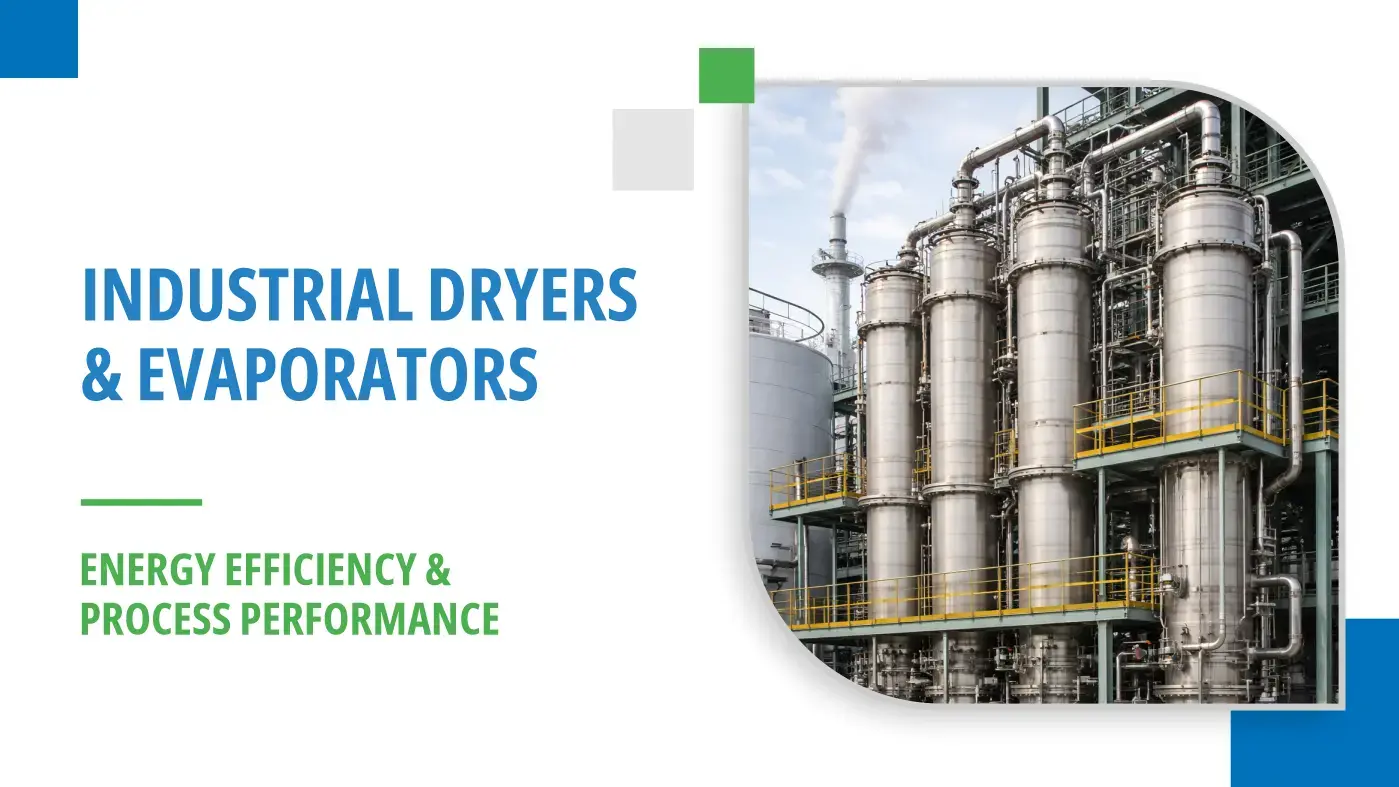
- Evaporators and multiple-effect evaporators (MEE)
- Dryers
- Heat exchangers
- Reactors
- Filtration systems
- Solvent recovery systems
Unlike general equipment, process equipment for industries operates under defined parameters such as temperature, pressure, flow rate, and material compatibility. Therefore, proper design and selection are essential for operational safety and performance optimization. Industries today prefer custom-engineered process equipment that matches their specific production requirements and compliance standards.
1. Material Selection in Industrial Process Equipment Design
One of the most important key requirements of process machinery is the correct material of construction (MOC).
Important Considerations:
- Corrosion-resistant materials such as SS 316L for chemical and pharmaceutical applications
- Hastelloy, Titanium, or PTFE-lined equipment for aggressive media
- High-temperature resistance for thermal process equipment
- Hygienic surface finishes for food-grade and pharma-grade equipment
- Full-penetration welds with traceability documentation
Proper MOC selection ensures durability, contamination control, and compliance with industry regulations.
2. Pressure and Vacuum Design Requirements
Incorrect vacuum system sizing or poor pressure vessel design can result in reduced process efficiency, unstable operating conditions, excessive energy consumption, and premature equipment failure. Engineering validation through thermal calculations, vacuum load analysis, and process simulation is therefore critical during equipment selection.
Key Technical Parameters:
- Design pressure (typically 10–25% above operating pressure)
- Vacuum-rated construction for external pressure conditions
- Buckling analysis for full vacuum applications
- Certified hydrostatic or pneumatic pressure testing
- Correct selection of vacuum technology (liquid ring pump, dry screw pump, rotary vane pump, roots vacuum booster)
For industries requiring high vacuum performance, vacuum process systems and mechanical vacuum booster systems significantly enhance pumping speed and energy efficiency.
3. Thermal Efficiency in Process Machinery and Heat Transfer Optimization
In industries involving evaporation, drying, and condensation, thermal process machinery must be designed for maximum heat transfer efficiency.
Important Factors:
- High overall heat transfer coefficient (U-value)
- Energy-efficient evaporation systems
- Heat recovery integration
- Mechanical Vapour Recompression (MVR) technology
- Design for heat-sensitive products
Advanced systems such as multiple-effect evaporators (MEE) and energy recovery solutions can reduce energy consumption by 50–90%, making them ideal for sustainable industrial operations and energy-efficient process systems.
4. Hygienic Design for Pharmaceutical and Food Processing Industries
For pharmaceutical process equipment and food processing machinery, hygienic design is mandatory.
Requirements Include:
- CIP (Clean-in-Place) capability
- SIP (Steam-in-Place) compatibility
- Smooth internal surface finish (Ra ≤ 0.8 µm)
- Dead-leg-free design
- Complete drainage systems
These features ensure compliance with GMP standards, reduce contamination risks, and support regulatory approval.
5. Automation and Instrumentation Integration
Integration with SCADA systems and Industry 4.0 platforms enables predictive maintenance, remote diagnostics, and real-time process optimization.
Key Considerations:
- Sensor integration (temperature, pressure, flow, level)
- Compatibility with communication protocols (Modbus, Profibus, EtherNet/IP)
- Data logging for compliance requirements
- Alarm systems and safety interlocks
- Integration with smart factory systems
Automation-ready process machinery improves control accuracy, productivity, and operational monitoring.
6. Energy-Efficient Process Machinery for Sustainable Operations
Energy efficiency is now one of the most important criteria in industrial equipment selection.
Focus Areas:
- Low specific energy consumption (kWh per unit output)
- Variable Frequency Drives (VFDs)
- Heat recovery systems
- Closed-loop solvent recovery systems
- Reduced carbon footprint design
Energy-optimized machinery supports ESG goals, sustainability compliance, and cost reduction in long-term operations.
7. Maintainability and Lifecycle Performance
High-performance process plant equipment must be designed for easy maintenance and long service life.
Maintainability Features:
- Easy access to mechanical seals and bearings
- Standardized spare parts availability
- Clear maintenance documentation
- Defined MTBF and MTTR performance data
- Modular system design
Reduced downtime improves overall equipment effectiveness (OEE) and operational profitability.
8. Common Failure Points
Common Problems Caused by Poor Process Machinery Design
Inadequately engineered process systems often lead to:
-
excessive energy consumption
-
scaling and fouling
-
vibration and seal failures
-
poor heat transfer efficiency
-
unstable vacuum conditions
-
contamination risks
-
high maintenance downtime
These issues significantly increase lifecycle cost and reduce operational reliability.
ECOPROCESS Engineering Excellence in Process Machinery
With decades of engineering experience, ECOPROCESS specializes in designing and manufacturing high-performance process machinery systems including:
- Vacuum systems
- Mechanical vacuum boosters
- Evaporators
- Distillation columns
- Dryers
- Heat exchangers
- Turnkey industrial process plants
Our Engineering Approach:
Process-Driven Design
We analyze fluid properties, operating conditions, compliance requirements, and energy targets before equipment selection.
Custom Process Equipment Manufacturing
Every system is engineered according to application-specific pressure, vacuum, thermal, and corrosion requirements using custom-engineered process equipment methodologies.
Pilot Plant Validation
We conduct performance testing using real process conditions to ensure accurate scale-up and energy optimization.
Quality Manufacturing Standards
Fabrication includes certified welding, surface finishing, hydro testing, vacuum leak testing, FAT, and SAT.
Sustainability-Focused Engineering
Energy recovery, solvent recovery, and zero liquid discharge (ZLD) systems are integrated into design from the beginning to support energy-efficient process systems.
Lifetime Technical Support
We provide AMC services, OEM spare parts, and dedicated field support for long-term reliability.
Frequently Asked Questions
1. What are the key requirements of process machinery?
Process machinery must offer efficiency, durability, safety compliance, energy optimization, and application-based design to ensure reliable industrial performance.
2. Why is energy efficiency important in process equipment?
Energy-efficient machinery reduces operational costs, improves sustainability, and enhances overall system productivity.
3. How do I choose the right process machinery for my industry?
Selection depends on application type, production capacity, material handling requirements, safety standards, and system compatibility.
4. What industries require process machinery?
Industries such as pharmaceuticals, chemicals, food processing, plastics, power plants, and manufacturing commonly require process machinery systems.
5. What makes ECOPROCESS different?
ECOPROCESS focuses on customized engineering, energy-efficient systems, quality construction, and complete technical support for long-term performance.
Conclusion
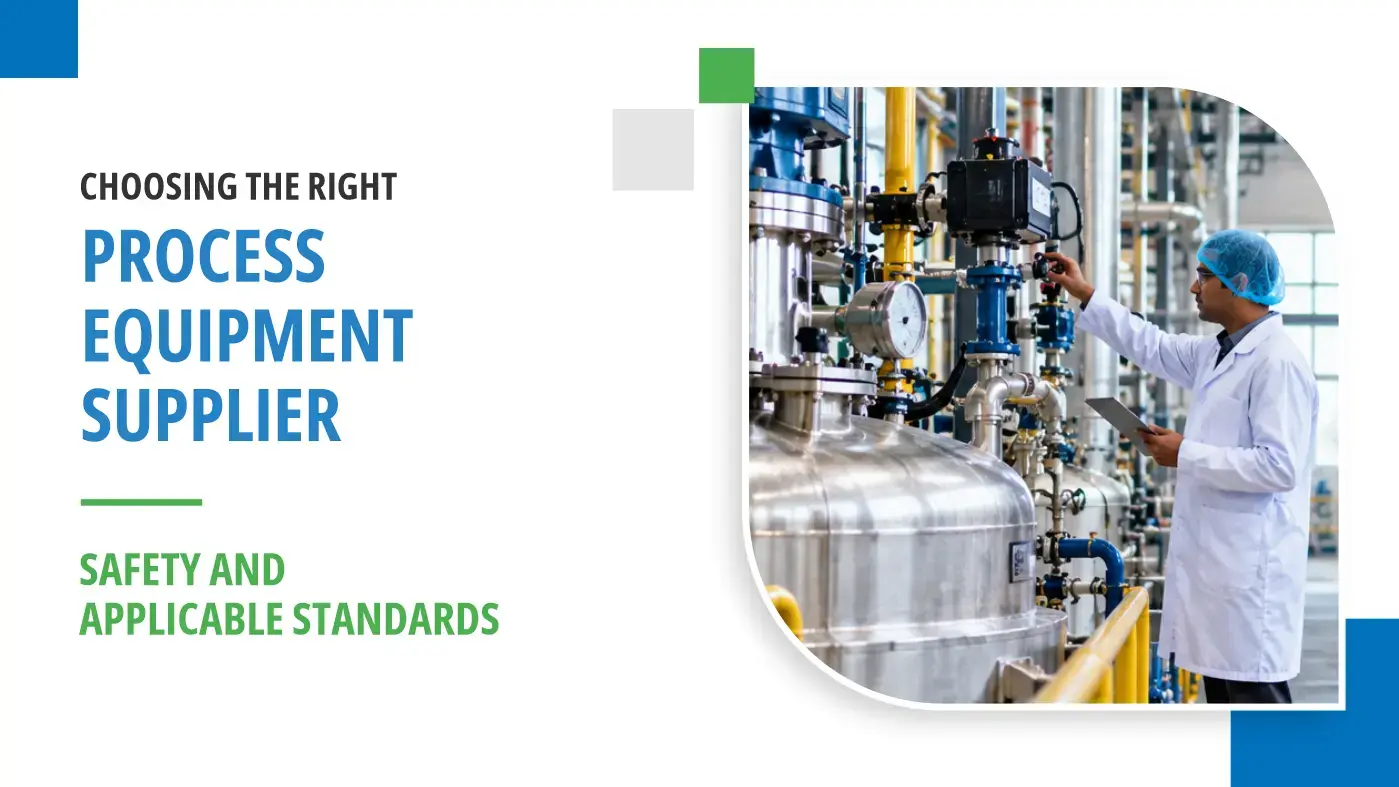
Regulatory frameworks such as GMP, ASME, PED, ATEX, and evolving EU sustainability standards increasingly require process machinery to deliver not only performance, but also traceability, energy efficiency, and operational safety.
Efficient industrial operations depend heavily on properly engineered process machinery designed for reliability, energy efficiency, safety, and long-term operational stability.
From material selection and vacuum system design to thermal efficiency and automation integration, every engineering decision directly impacts plant performance and lifecycle cost.
By investing in custom-engineered process equipment, vacuum process systems, and energy-efficient process systems designed around actual operating conditions, industries can improve productivity, reduce downtime, and build more sustainable manufacturing operations for the future.