ZLD Systems for Textile Industry: From Compliance to Strategic Necessity
Textile manufacturing is among the most water-intensive industrial sectors. Large volumes of water are consumed across bleaching, dyeing, washing, rinsing, and finishing operations. These processes also generate wastewater containing dyes, salts, suspended solids, organics, and high Total Dissolved Solids (TDS).
As environmental standards tighten and freshwater availability becomes uncertain, textile wastewater treatment is no longer only a compliance requirement. It is now a business priority linked to production continuity, operating cost, and export readiness.
This is why Zero Liquid Discharge (ZLD) is rapidly moving from a niche solution to a strategic requirement in major textile clusters.
What Is a ZLD System?
A Zero Liquid Discharge system is an advanced wastewater treatment process where no liquid effluent is discharged outside the plant. Wastewater is treated, recovered, and reused, while the remaining concentrate is converted into dry solids or recoverable salts.
For textile plants, this means wastewater becomes a reusable resource instead of a disposal burden.
Modern ZLD plants can recover up to 90–95% water, depending on wastewater quality and system design. Many manufacturers are therefore evaluating integrated ZLD solutions to strengthen long-term water security.
Why ZLD Is Becoming Mandatory in the Textile Industry
1. Increasing Environmental Regulations
Pollution control norms for textile wastewater are becoming more demanding, especially in regions facing groundwater stress or river pollution. Parameters such as TDS, color, and chemical load are closely monitored.
Across Europe, frameworks such as the Industrial Emissions Directive (IED), the Water Framework Directive, and the REACH Regulation continue to shape expectations around chemical handling, water stewardship, and cleaner manufacturing practices. Similar trends are visible across Asia and other export-driven markets.
For many exporters, in this regulatory environment, conventional effluent treatment is often insufficient to meet long-term ZLD textile compliance expectations.
2. Water Scarcity and Rising Costs
Freshwater availability is increasingly uncertain in many textile zones. Seasonal shortages, extraction controls, tanker dependence, and rising utility costs create direct operational risk.
ZLD supports a circular water model by recovering treated water and returning it to production processes. This reduces dependence on external supply while improving long-term resource security.
3. Lifecycle Cost Perspective
ZLD is often viewed only through initial capital cost. In practice, the stronger evaluation model is lifecycle economics.
Properly engineered systems can reduce long-term costs through:
- Lower freshwater procurement
- Reduced wastewater discharge and hauling costs
- Recovery of reusable water
- Potential salt recovery in suitable applications
- Lower steam and power demand with efficient evaporation technologies such as MVR
- Reduced unplanned downtime through reliable plant design
For high-volume textile facilities, cumulative savings over plant life can be substantial when recovery efficiency and uptime are optimized.
While cost structures vary by region, utility pricing, and wastewater composition, ZLD systems should be evaluated on total lifecycle performance rather than upfront capital cost. In high-load textile operations, optimized systems can significantly reduce freshwater intake, minimize discharge liabilities, and stabilize long-term operating costs.
4. Buyer Pressure, ESG and Supplier Qualification
Global brands increasingly assess environmental performance across their supply chains. Wastewater management is now linked not only to audits, but also to broader procurement decisions.
Textile exporters are seeing stronger expectations related to:
- ESG audits
- Scope 3 emissions and resource-use expectations
- Supplier qualification programs
- Long-term preferred vendor status
Robust ZLD capability can strengthen a manufacturer’s position in these evaluations where sustainability performance is increasingly embedded into procurement frameworks.
How a Textile ZLD System Works
A typical ZLD setup includes multiple stages, each designed to maximize recovery and minimize waste.
Pre-Treatment
Removes suspended solids, balances pH, and stabilizes feed conditions. Ultrafiltration (UF) is often used for turbidity reduction and membrane protection downstream.
Membrane Recovery
RO systems recover permeate water for reuse, while reject streams move to concentration stages. Typical RO recovery ranges between 70–85%, depending on feed quality and pretreatment efficiency.
Evaporation
Reject streams are concentrated through Multiple Effect Evaporators (MEE) or other thermal systems to reduce liquid volume efficiently. Particularly effective for high-TDS streams where membrane recovery alone is insufficient.
Final Drying
Remaining concentrate is dried into solids for safe disposal or possible recovery using ATFD systems. Widely used in final-stage ZLD for handling high-solid, high-viscosity concentrates.
EcoProcess Solutions for the Textile Industry
At EcoProcess, the focus goes beyond basic treatment. The goal is to help textile manufacturers achieve ZLD while reducing operational costs, improving reliability, and enabling sustainable water circularity through advanced high TDS wastewater treatment. With decades of engineering expertise, EcoProcess provides vacuum and process solutions built for demanding industrial environments.
Key Solutions for Textile ZLD
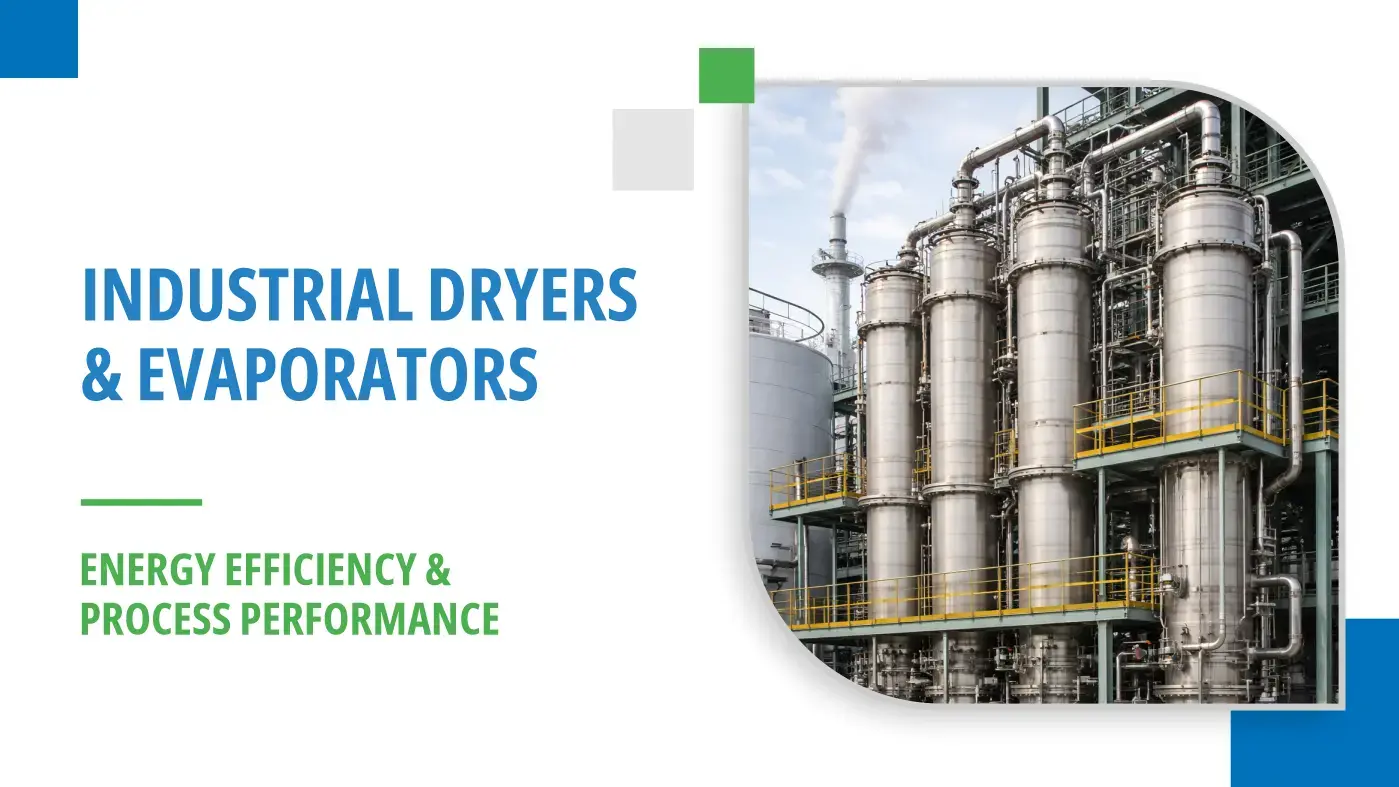
Multiple Effect Evaporators (MEE)
MEE systems enable staged evaporation with improved steam economy across multiple effects, making them highly effective for concentrating large wastewater volumes.
Agitated Thin Film Dryers (ATFD)
ATFD systems ensure continuous drying of high-viscosity slurry with reduced fouling risk, helping improve uptime and simplify solids handling.
Vacuum Systems & Blowers
Vacuum systems are critical for maintaining lower boiling temperatures and improving energy efficiency in evaporation systems.
Heat Exchangers
EcoProcess heat exchangers improve thermal recovery and optimize energy utilization across ZLD systems.
Common Challenges in Textile ZLD Systems
Even well-planned ZLD projects can face operational challenges if system design is not optimized:
- Scaling caused by high silica or hardness levels
- Membrane fouling from dyes, surfactants, and organics
- High steam consumption in inefficient evaporator systems
- Inconsistent feed quality leading to process instability
Addressing these issues requires correct technology selection, robust pretreatment, and experienced process engineering.
Why the Right Partner Matters
Not all ZLD systems perform equally. Poor engineering can lead to excessive steam consumption, scaling, downtime, membrane instability, and avoidable maintenance cost. In ZLD projects, engineering quality directly determines operating cost.
The right engineering partner understands both wastewater treatment and process optimization. That means selecting the right technologies, lowering lifecycle cost, and ensuring dependable long-term performance—not simply supplying equipment.
Conclusion
For textile manufacturers, ZLD is no longer just about meeting discharge norms—it is about securing water availability, controlling operating costs, and maintaining competitiveness in global markets.
As regulations tighten and sustainability expectations rise, plants that invest in efficient ZLD systems and industrial water reuse systems will be better positioned for long-term growth.
With the right engineering approach and proven technologies from EcoProcess, textile manufacturers can turn wastewater management into a strategic advantage built on recovery, reliability, and resource efficiency.
Frequently Asked Questions
What is the main purpose of ZLD in textile manufacturing?
To recover water, eliminate liquid discharge, and help meet environmental regulations.
How much water can a textile ZLD system recover?
Many systems can recover 90–95% of wastewater, depending on wastewater quality and system design.
Which equipment is used in textile ZLD plants?
Common equipment includes MEE, ATFD, RO systems, vacuum pumps, blowers, and heat exchangers.
How does ATFD help in wastewater treatment?
ATFD converts concentrated slurry into dry solids, helping reduce fouling during final-stage treatment.
Can ZLD reduce operating costs?
Yes. Over time, water reuse, lower disposal costs, and improved efficiency can reduce overall operating expenses.