Reducing Carbon Footprint in Manufacturing | Energy & Process Optimization
Manufacturing remains the backbone of global industrial progress—but it is also among the most resource-intensive sectors, consuming significant amounts of energy, water, and raw materials. Reducing carbon footprint becomes both an environmental and economic imperative as manufacturers adopt sustainable manufacturing strategies and manufacturing sustainability solutions, rethinking process design, utility systems, and supply-chain operations to focus on industrial energy efficiency, resource optimization, and sustainable production practices.
The transition toward low carbon manufacturing is not merely an environmental initiative; it is a strategic shift that drives cost efficiency, regulatory compliance, and long-term competitiveness.
What Is Carbon Footprint in Manufacturing?
Carbon footprint in manufacturing refers to the total greenhouse gas emissions generated from industrial operations. Implementing carbon footprint reduction strategies for industry requires addressing energy use, material consumption, and process-related emissions.
Major contributors include:
- Electricity consumption
- Steam generation and fuel combustion
- Process heating and cooling
- Raw material sourcing
- Transportation and logistics
- Waste generation and disposal
- Industrial Water and wastewater treatment solutions
Reducing these emissions requires looking at the complete production ecosystem—not just one machine or one department.
Why Carbon Reduction Matters for Manufacturers
Reducing carbon emissions improves both operational efficiency and long-term cost performance while supporting industrial energy efficiency and sustainability goals.
-
Cost Savings
Energy-efficient systems reduce electricity, fuel, and steam consumption.
-
Better Compliance
Environmental standards are becoming stricter across global markets.
-
Stronger Customer Trust
Many buyers now prefer suppliers with measurable sustainability practices.
-
Improved Operational Efficiency
Plants that reduce waste, leaks, and losses often improve output consistency.
-
Future Readiness
Carbon-conscious manufacturing is becoming a competitive advantage aligned with low carbon manufacturing trends.
Key Ways to Reduce Carbon Footprint in Manufacturing
1. Improve Energy Efficiency in Manufacturing
Energy use is often the largest contributor to manufacturing emissions. Improving energy efficiency in manufacturing plants is one of the most effective carbon footprint reduction strategies for industry.
Practical steps include:
- Upgrading old motors and pumps
- Using variable frequency drives (VFDs)
- Recovering waste heat
- Improving insulation on pipelines and vessels
- Monitoring utility consumption in real time
- Optimizing compressed air systems
Even small improvements across utilities can significantly reduce annual emissions and support industrial energy efficiency goals.
2. Reduce Water and Wastewater Impact in Manufacturing
Water systems contribute significantly to a plant’s energy intensity. Adopting closed-loop industrial water reuse systems can:
- Recover and reuse treated water for process or utility make-up
- Reduce pumping and thermal energy requirements
- Decrease dependency on freshwater sources
- Lower chemical dosing and waste disposal costs
Advanced water management supports manufacturing sustainability solutions while stabilizing plant operations under water-stressed conditions.
3. Optimize Material Usage for Sustainable Manufacturing
Raw materials carry their own embedded carbon footprint through mining, processing, packaging, and transport.
Manufacturers can reduce impact by:
- Improving cutting and batching accuracy
- Reducing scrap generation
- Reusing production rejects where possible
- Choosing recycled or lower-impact materials
- Improving storage to prevent damage and loss
Material efficiency is a key part of sustainable manufacturing strategies, delivering both cost savings and lower emissions.
4. Improve Process Efficiency
Many plants run legacy processes that consume more steam, cooling water, or power than necessary.
Engineering improvements such as:
- Better heat transfer systems
- Efficient evaporation technologies
- Vacuum-assisted low-temperature processing
- Process automation
- Reduced cycle times
These improvements support sustainable process design in industry, lowering both production cost and carbon intensity.
5. Use Cleaner Utility Systems
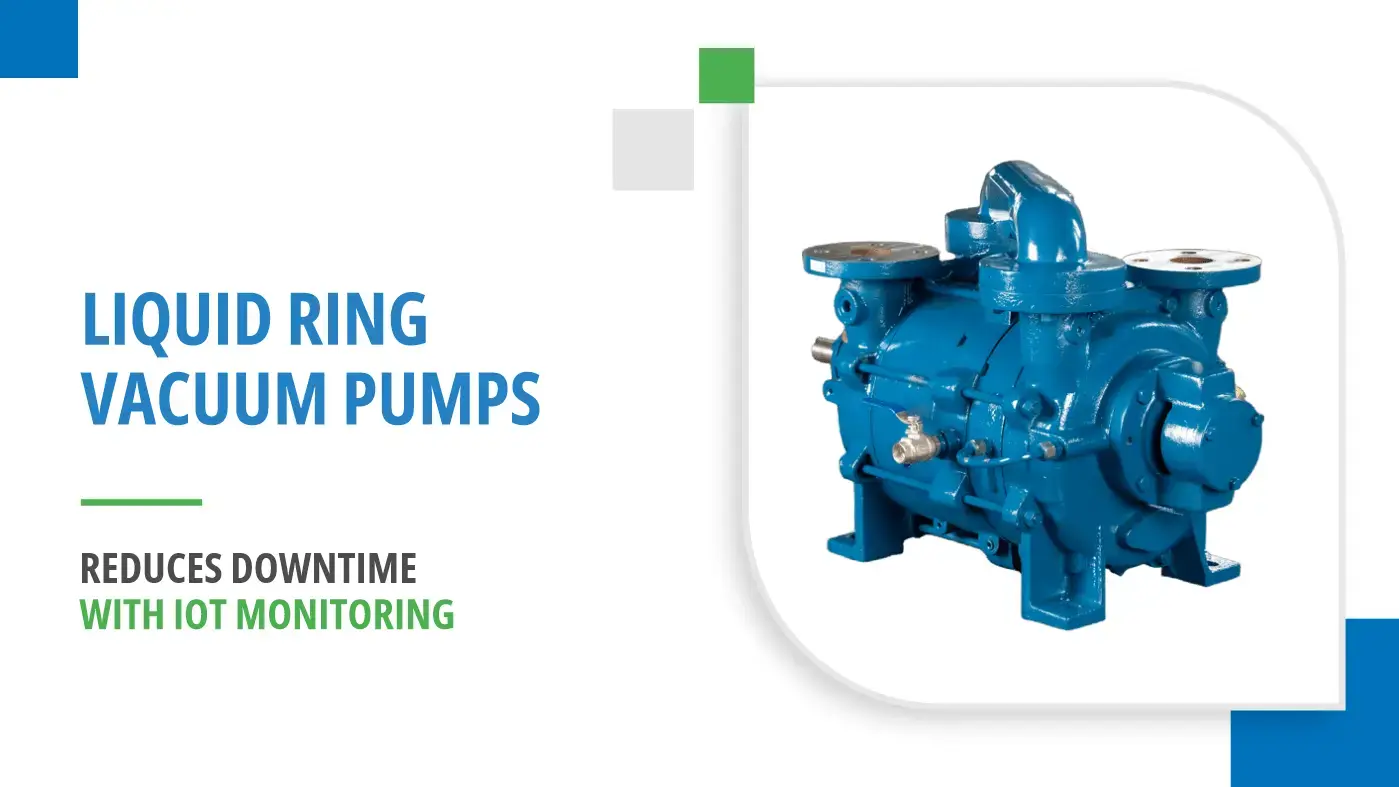
Utility systems such as boilers, chillers, cooling towers, and energy-efficient vacuum pumps strongly influence plant emissions.
Modern equipment with better efficiency and controls can reduce overall plant energy demand and enable low carbon manufacturing. Preventive maintenance is equally important—poorly maintained systems often consume more power than required.
6. Strengthen Supply Chain Sustainability
Carbon reduction is not limited to the factory boundary.
Manufacturers can also reduce emissions through:
- Local sourcing where practical
- Optimized transport routes
- Better packaging design
- Supplier sustainability programs
- Reduced inventory movement
These actions support broader carbon footprint reduction strategies for industry and Scope 3 goals.
Common Challenges in Carbon Reduction Projects
Many plants want to reduce emissions but face barriers such as:
- Aging infrastructure
- Limited process visibility
- High retrofit costs
- Production downtime concerns
- Lack of measurable baseline data
- Multiple departments working separately
This is why many industries struggle with how to reduce carbon emissions in factories, making phased improvements more practical than one-time transformation.
How Engineering Solutions Make a Difference
Carbon reduction succeeds when sustainability is integrated into process design using manufacturing sustainability solutions.
The best results usually come from combining:
- Efficient equipment
- Utility optimization
- Water reuse manufacturing
- Waste minimization
- Smart automation
- Lifecycle cost thinking
This is where experienced engineering partners create long-term value.
How ECOPROCESS Helps in Reducing Carbon Footprint in Pilot Plant Operations
Pilot plants are essential for validating industrial processes before full-scale investment. However, pilot operations can also consume steam, water, power, chemicals, and raw materials if not designed efficiently.
EcoProcess helps industries implement sustainable manufacturing strategies through smarter engineering and process optimization while improving industrial energy efficiency.
-
Efficient Process Validation
Well-designed pilot systems minimize waste during trials and shorten development cycles.
-
Lower Utility Consumption
Energy-efficient vacuum systems, heat exchangers, and process equipment reduce steam and power demand, supporting energy efficiency in manufacturing plants.
-
Water Recovery & Reuse
Integrated treatment and reuse solutions help enable water reuse in manufacturing during testing.
-
Scalable Sustainable Design
Processes validated at pilot stage can be optimized for lower emissions using sustainable process design in industry.
-
Faster Innovation with Lower Impact
By combining engineering precision with sustainability thinking, EcoProcess helps companies innovate responsibly.
EcoProcess — Sustainable Process Solutions
Frequently Asked Questions
- How do manufacturers reduce carbon emissions?
Manufacturers can reduce emissions by adopting sustainable manufacturing strategies, improving energy efficiency in manufacturing plants, implementing water reuse in manufacturing, and using cleaner technologies.
- What are the main causes of high carbon emissions in factories?
Common causes include heavy electricity use, fuel combustion, inefficient machinery, steam generation, transportation, raw material waste, and outdated production systems.
- Why is sustainable manufacturing important for business growth?
Sustainable manufacturing helps lower operating costs, meet environmental regulations, improve brand reputation, attract customers, and create long-term competitive advantage.
- How can ECOPROCESS help improve manufacturing sustainability?
ECOPROCESS provides process engineering solutions such as vacuum systems, pilot plant optimization, water recovery systems, and energy-efficient technologies that help industries reduce environmental impact and improve performance.
Conclusion
Carbon reduction in manufacturing is no longer optional—it is a core engineering and business priority. By integrating industrial energy efficiency, water reuse in manufacturing, sustainable process design in industry, and smarter supply-chain practices, manufacturers can achieve low carbon manufacturing while improving operational performance.
As regulatory frameworks and evolved sustainability-driven engineering expectations will define the next generation of industrial growth—and those investing early define long-term industrial competitiveness toward low-carbon, high-performance manufacturing.