
Electrical Control Panel for Industrial Automation Solutions
EcoProcess is a leading industrial automation company specializing in industrial electrical control and distribution panels. As an experienced automation company, EcoProcess provides complete electrical panel design, system integration, and industrial automation solutions in accordance with international industry standards across India and global markets. EcoProcess also provides customized electrical control panels for various industrial automation applications.
Evaporators Technologies
PCC Panels (Power Control Centre Panels)
EcoProcess offers PCC Panels (Power Control Centre Panels) designed for the primary power distribution and control of high-capacity electrical loads in industrial facilities. These power control centre panels are engineered with high-performance switchgear, busbar systems, protection relays, and metering devices to ensure reliable operation and system protection.
EcoProcess designs PCC panels following IEC standards with proper fault level calculations, thermal management, and safety interlocks to ensure safe and efficient electrical distribution systems as part of its electrical panel design expertise.
|
Rated Voltage |
415 V |
|
Breaking Capacity |
50 kA |
|
Panel Type |
Fixed Type |
|
Ingress Protection |
IP42 |
|
Working Temperature |
50 °C |
|
Automation Grade |
Automatic |
|
Rated Frequency |
50 Hz |
|
Phase |
3 Phase 4 Wire |
|
Installation Type |
Indoor |
|
Panel Material |
CRCA Steel |
|
Country of Origin |
Made in India |
|
Current Rating |
2500A |
|
Rated Current (Max) |
3000A |
MCC Panels (Motor Control Centre), VFD Panels and Drive Panels
EcoProcess provides MCC panels (motor control Centre panels) designed for centralized control, protection, and monitoring of multiple motors used in industrial processes.
These motor control centre panels integrate motor starters such as DOL starters, star-delta starters, soft starters, and VFD drives along with overload protection, short-circuit protection, and advanced control circuits.
These motor control centre panels ensure safe motor operation, easy maintenance, and optimized plant performance across multiple industrial applications.
|
MCC Type |
Fixed Type |
|
Feeder Type |
DOL Starter, Star-Delta |
|
Rated Current |
1250 A |
|
Rated Voltage |
415 V |
|
Construction |
Fixed Type |
|
Usage/Application |
Motor Control |
|
Frequency |
50 Hz |
|
Ambient Temperature |
45 °C |
|
IP Rating |
IP54 |
|
Country of Origin |
Made in India |
|
Surface Finish |
Powder Coated |
|
Body Material |
Mild Steel |
|
Rated Current (Max) |
1350 |
PLC Control Panels
EcoProcess designs advanced PLC panels for automated monitoring and control of industrial processes. These PLC panels integrate PLC CPUs, digital and analog I/O modules, communication modules, power supplies, relays, and interface devices used to control field instruments and process equipment.
These automation panels support seamless integration with HMI interfaces and SCADA systems for real-time monitoring, data acquisition, and intelligent process control.
EcoProcess implements PLC platforms from globally recognized automation brands, including Siemens, Allen-Bradley, Schneider Electric, and Delta to ensure reliable automation architecture for modern industrial automation systems.
MCC CUM PLC PANEL
EcoProcess designs MCC Cum PLC panels integrated with Siemens automation systems for centralized motor control and process automation.
The panel combines motor control Centre panels (MCC panels) with Siemens PLC systems, communication modules, and automation interfaces to control motors, pumps, and field instruments from a single control system.
This enables automatic operation, process monitoring, interlocking functions, and integration with HMI and SCADA systems for reliable plant operation.
Examples include:
- SS304 MCC Cum PLC Panel WITH INTEGRATED UPS SUPPLY FOR PLC
- MCC Cum PLC PANEL WITH SCADA
PLC and HMI Panel in Flameproof Enclosure
EcoProcess designs PLC panels with Siemens PLC and HMI installed in flameproof (FLP) enclosures designed for hazardous environments.
These control systems ensure safe monitoring and automation in industries such as chemical plants, pharmaceutical manufacturing, oil and gas facilities, and solvent handling plants.
VFD Panel
EcoProcess provides VFD panels for variable speed control of AC motors used in pumps, fans, compressors, and process equipment.
These VFD panels regulate motor speed by adjusting the voltage and frequency supplied to the motor. This improves energy efficiency, provides smooth motor acceleration, reduces mechanical stress on the equipment, and improves process performance.
APFC Panels (Automatic Power Factor Control)
EcoProcess provides APFC panels (automatic power factor panels) designed to maintain the desired power factor level by automatically switching capacitor banks based on system load conditions.
These APFC panels improve electrical system efficiency, reduce reactive power consumption, and help industries avoid power factor penalties from utility providers.
Electrical & Instrumentation (E&I) Contracting Services
PLC Panel Manufacturing
PLC Programming Services
HMI Programming Services
SCADA System Integration
Electrical Panel Design & Engineering
Panel Wiring, Testing & FAT
Panel Erection & Commissioning
Energy Monitoring & IOT Solutions
Industrial Instrument Supplier
Pressure Transmitter Supplier
Flow Meter Supplier
Level Transmitter Supplier
Temperature Instruments
Analytical Instruments
Key Features
-
Robust Panel Construction
-
High Quality Electrical Components
-
Advanced Protection & Safety
-
Modular & Scalable Design
-
Efficient Power Distribution
-
Integration with Automation Systems
-
Factory Acceptance Testing (FAT)
-
Compliance with Industry Standards
-
Easy Maintenance & Accessibility
-
SCADA System Integration
featured case study
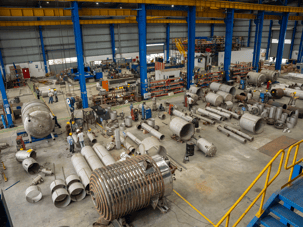 Case Study: Optimizing Vacuum Systems: Time Reduction in Production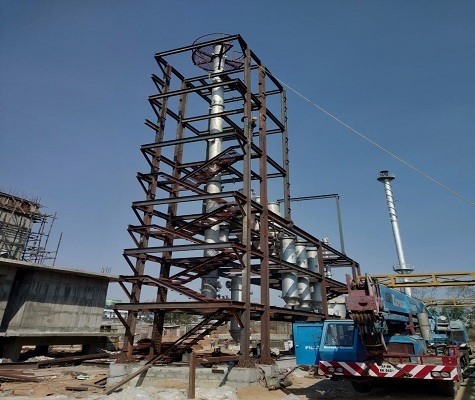
case-studies, pharma-case-studies, chemical-case-studies, distillation-case-study, custom-sol-case-study, agrochemical-case-study, oil-and-gas-case-study, wastewater-case-study, textile-case-study, application-case-study, evaporate-sol-case-study, drying-sol-case-study, water-oil-case-study, Industry-case-study, paints-and-coatings-case-study, industry-zld-case-study, degassing-case-study, vacuum-system-cs, multi-stage-case-study, pilot-plant-case-study, process-sol-case-study, lobe-blowers-case-study, dryers-case-study, vacuum-system-blogs
The client’s...
FAQ
What is a PCC panel and where is it used?
A Power Control Centre (PCC) panel is used for main power distribution in industrial facilities. It receives power from transformers or generators and distributes it to various MCC panels and electrical loads. PCC panels include protection devices such as ACBs, MCCBs, metering systems, and busbars to ensure safe and reliable power distribution.
What is the difference between PCC and MCC panels?
A PCC Panel is used for main electrical power distribution, while an MCC Panel (Motor Control Centre Panel) is specifically designed for controlling and protecting electric motors. MCC panels include motor starters such as DOL starters, Star-Delta starters, Soft starters, or VFD feeders for operating pumps, compressors, and process equipment.
What is a PLC control panel used for?
A PLC control panel is used for automated control of industrial processes. It houses PLC hardware, I/O modules, power supplies, and communication modules that monitor sensors and control equipment such as motors, valves, and pumps.
What is the purpose of an APFC panel?
An Automatic Power Factor Control (APFC) panel, also known as an automatic power factor panel, is used to maintain a healthy power factor in an electrical system by automatically switching capacitor banks based on load conditions. Maintaining proper power factor improves electrical efficiency and helps industries avoid penalties from utility providers.
What is a VFD panel and why is it used?
A VFD (Variable Frequency Drive) panel controls the speed of AC motors by adjusting the frequency and voltage supplied to the motor. VFD panels help reduce energy consumption, provide smooth motor starting, and improve process control in pumps, fans, compressors, and conveyors.
What PLC brands are commonly used in industrial automation?
Industrial automation systems commonly use PLC platforms from Siemens, Allen-Bradley, Schneider Electric, Mitsubishi, and Delta. The selection depends on application requirements, communication protocols, system complexity, and client preference.
What standards are followed in electrical control panel design?
Electrical panels are generally designed according to IEC standards, industrial electrical safety guidelines, and client-specific technical specifications. Proper busbar sizing, protection coordination, cable termination, and earthing practices are essential to ensure safe operation.
Do you provide turnkey automation and instrumentation solutions?
Yes, EcoProcess provides complete electrical and instrumentation (E&I) solutions, including panel manufacturing, PLC programming services, HMI programming services, SCADA system integration, industrial instrumentation supply, field installation, and system commissioning.
What industries use PLC automation and control panels?
Industrial control panels and automation systems are widely used in chemical plants, pharmaceutical manufacturing, food processing industries, oil and gas facilities, water treatment plants, and general manufacturing industries for reliable process control.
How long does it take to manufacture an industrial control panel?
The manufacturing time depends on the complexity of the panel, component availability, and project scope. Typically, industrial control panels are delivered within 4–6 weeks after final drawing approval and procurement of required components.